


Go to Main Content Go to Footer

10 Best Inflatable Raft Boats for Every Budget

Choosing an inflatable raft boat is rarely about finding the cheapest option. It is about matching the boat to real water, real passengers, and real limitations. A quiet lake demands different features than a rocky river or coastal shoreline. Budget matters, but so do fabric thickness, seam quality, valve design, floor stiffness, and published weight capacity.

This guide examines ten inflatable raft boats across several price levels. Each model is considered for setup time, portability, stability, storage, repair support, and everyday durability. Picture the details: a pump beside a muddy launch, cold water under the hull, and limited space for a dry bag. Those moments reveal more than polished product photos. A raft that feels stable in a shop may behave differently under uneven loading. That deserves attention.

Marine-survival expert Gordon Giesbrecht offers a blunt reminder: “Cold water is a killer.” His warning belongs in every boating decision. A suitable raft should support properly fitted life jackets, a dependable pump, a repair kit, and sensible weight planning. It should also follow applicable safety guidance in your region.

There is no perfect choice.

Some inexpensive boats use thinner materials. Some premium models remain awkward to carry. Our evaluation can never predict every shoreline, passenger, or weather change. That is an honest limitation. Still, comparing construction, usability, and long-term value can reduce costly mistakes. Whether you need a compact fishing raft, a family tender, or a backup boat, this list aims to make the decision clearer without pretending that price tells the whole story.
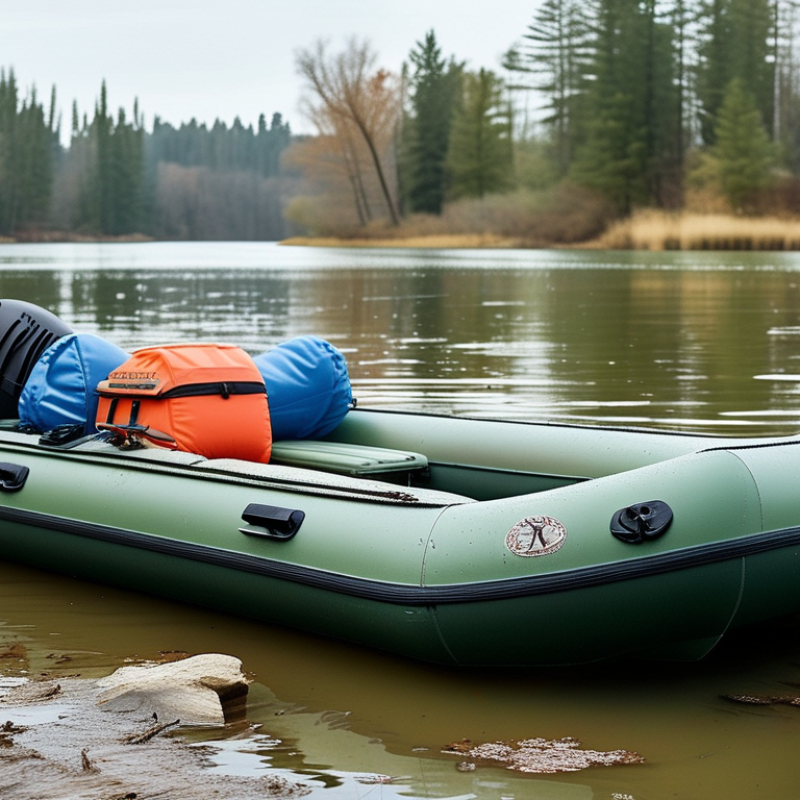
10 Best Inflatable Raft Boats for Every Budget

What Makes an Inflatable Raft Boat Suitable for Different Uses

An inflatable raft boat should match its working conditions, not just its price. For calm lakes, a compact model with two air chambers may be enough. It stores easily and launches from a shallow shoreline. However, fishing trips need more stability. A wider beam, firm inflatable floor, and several grab handles make movement safer. I have found that narrow boats feel unstable when one passenger shifts suddenly.

For family use, check the stated capacity carefully. Leave room for bags, coolers, and changing water conditions. A boat rated for three people may feel crowded with three adults and equipment. Look for reinforced seams, protective fabric, and separate air chambers. These features provide useful backup if one section loses pressure. A reliable hand pump and pressure gauge also matter. Guessing pressure by touch is surprisingly inaccurate.

River users need different qualities. A pointed bow can handle small waves better, while strong drain valves help remove splashed water. For rowing, secure oarlocks and a firm seat reduce wasted effort. I still sometimes underestimate wind on open water, especially during an easy-looking afternoon trip. That mistake changes the right choice quickly. Buyers should compare the load rating, packed size, repair kit, warranty terms, and available safety information. A suitable raft is one you can inflate correctly, carry comfortably, and control when conditions become less friendly.

How to Evaluate Raft Materials, Design, Capacity, and Stability

10 Best Inflatable Raft Boats for Every Budget

How to Evaluate Raft Materials, Design, Capacity, and Stability

Material choice affects safety, comfort, and lifespan. PVC is common because it feels tough and resists moisture. However, thicker PVC can make a raft heavy to carry. Reinforced fabric usually handles abrasion better, especially near rocky shorelines. Look closely at seams, valves, and floor joints. I once overlooked a small seam wrinkle, and it slowly became a leak after repeated inflation.

Check the seams.

Design also determines how easily you can control the boat. A wider hull usually provides better stability for beginners and casual fishing. A pointed bow may move more efficiently through light current. Rigid or inflatable floors can improve balance, but they may require extra setup time. Handles should feel secure, not decorative. Sit inside the raft before buying, if possible. Your knees should not press awkwardly against the side tubes.

Capacity ratings need careful judgment. A listed capacity may describe maximum weight, not comfortable carrying space. Include people, bags, coolers, and safety equipment in your calculation. For example, two adults may fit technically, yet feel crowded during a full-day trip. Stability depends on width, air pressure, floor design, and weight distribution. Inflate each chamber evenly and keep heavier gear low and centered. Never assume more air always means better performance. Overinflation can make the tubes rigid and uncomfortable, while underinflation reduces control.

My own mistake was trusting the number printed on the box instead of testing the loaded raft in shallow water.

The 10 Best Inflatable Raft Boats Across Different Price Ranges

The ten best inflatable raft boats vary widely by price, capacity, and construction. Budget rafts often use thinner PVC, simple benches, and basic oars. They suit calm lakes, short fishing trips, and occasional family use. Mid-range models usually add reinforced floors, better valves, and removable seats. These improvements matter when carrying coolers or camping equipment. Premium rafts often include drop-stitch floors, multiple air chambers, stronger grab lines, and improved tracking. They feel more stable near gentle currents and hold their shape better under load. However, higher cost does not guarantee the perfect boat.

My practical ranking considers durability, comfort, portability, safety features, and repair support. The ten strongest choices should cover solo designs, compact two-person rafts, roomy family boats, fishing layouts, and heavier expedition-style options. Check the stated weight limit carefully. A raft rated for four people may feel cramped with four adults and their gear. Test the valves before launch, because a slow leak can ruin an otherwise excellent day. My own ranking is not flawless; local water conditions can change the best choice.

Tips: Inflate each chamber firmly, but follow the manufacturer’s pressure guidance. Carry a pump, patch kit, spare valve adapter, and dry storage bag. Inspect seams after every trip. Avoid dragging the raft over sharp gravel. Choose a model with several air chambers for added backup. Wear a properly fitted life jacket, even on calm water. A cheaper raft can work well, but only when its limits match your plans.

Essential Safety Features for Recreational Rafting

Choosing among the 10 Best Inflatable Raft Boats for Every Budget should begin with safety, not price. A reliable raft needs strong seams, separate air chambers, and valves that stay closed under pressure. Check the stated weight limit carefully, including passengers, coolers, and fishing equipment. A crowded raft becomes unstable quickly. It happens.

Look for raised seating, secure grab lines, and a floor that resists slipping when wet. Bright colors can improve visibility near busy waterways, though they cannot replace careful supervision. Before launching, inflate each chamber fully and inspect for soft spots, cuts, or leaking valves.

I have found that a five-minute pressure check prevents uncomfortable surprises later. Carry a properly fitted personal flotation device for every passenger, even during calm-water trips. Weather can change faster than expected, especially on open lakes.

Tips:

Test the raft in shallow water before traveling farther from shore. Keep a whistle, repair patches, drinking water, and a small pump within reach. Never depend on the raft’s maximum capacity for comfort or control. Children need close, active supervision. Secure loose items so they cannot shift during turns. Follow local waterway guidance and avoid launching when wind or storms threaten. Some beginners focus too much on speed and forget exit planning. Identify a safe landing area before paddling away.

How to Choose, Maintain, and Store an Inflatable Raft Boat

Choosing an inflatable raft boat starts with its intended use, not its color or advertised price. For calm lakes, a compact two-person raft may be enough. Moving water requires reinforced floors, multiple air chambers, and secure grab lines. Check the rated load, including people, coolers, and safety equipment. Leave a margin; crowded rafts handle poorly. A pressure gauge is more reliable than squeezing the tube by hand. Do not guess.

Before each outing, inspect seams, valves, handles, and the underside for cuts or abrasion. Inflate the raft on a clean surface, then wait several minutes. A softening tube can reveal a slow leak. Mix mild soap with water and brush it over suspicious areas; bubbles identify escaping air. Rinse away soap and dry the boat fully. Sharp tools, hot exhaust, and direct sunlight can damage fabric quickly. Wear an approved personal flotation device, even when the water looks calm. I have underestimated wind before; a light breeze can push an inflatable raft far from shore. Respect that mistake.

After use, rinse away sand, salt, and mud with fresh water. Let every chamber and fold dry before storage. Moisture trapped in creases encourages mildew and unpleasant odors. Deflate gradually, following the valve instructions, rather than forcing air through one opening. Store the raft loosely in a cool, dry place away from fuel, rodents, and sharp objects. Avoid placing heavy boxes on top. Recheck it monthly during long storage. A repair kit helps, but it cannot replace professional inspection after major damage.

10 Best Inflatable Raft Boats for Every Budget - How to Choose, Maintain, and Store an Inflatable Raft Boat

No. Raft Type Typical Price Range Capacity Maximum Load Approx. Size Boat Weight Construction Features Best For Maintenance and Storage Notes
1 Compact Single-Person Raft US$50–US$90 1 adult Up to 220 lb / 100 kg 6–7 ft × 30–36 in 6–10 lb Light PVC tubes, inflatable floor, two or more air chambers Calm lakes, pools, and short recreational trips Rinse after use, dry fully, and store loosely folded away from heat and sunlight.
2 Budget Two-Person Raft US$80–US$130 2 adults Up to 440 lb / 200 kg 8–9 ft × 48–54 in 12–18 lb Reinforced PVC, inflatable seats, grab lines, and basic oar locks Casual boating and relaxed shoreline exploration Check valves and seams before every outing; avoid dragging over rocks.
3 Family Three-Person Raft US$120–US$190 2 adults + 1 child Up to 660 lb / 300 kg 9–10 ft × 54–60 in 20–28 lb Multi-chamber PVC hull, inflatable backrests, molded handles, and drain plug Families using calm inland water Do not exceed the combined load rating; clean sand and grit from valves before deflation.
4 Reinforced Fishing Raft US$180–US$300 1–2 adults Up to 500 lb / 227 kg 8–10 ft × 48–60 in 22–35 lb Heavy-duty PVC or coated fabric, abrasion guards, rod holders, and raised seating Still-water fishing and equipment transport Use a protective ground sheet, inspect abrasion zones, and keep hooks away from the tubes.
5 High-Back Touring Raft US$220–US$380 2 adults Up to 550 lb / 250 kg 9–11 ft × 50–62 in 25–40 lb Ergonomic seats, adjustable foot supports, multiple chambers, and storage pockets Longer day trips on calm rivers and lakes Maintain recommended air pressure and release a small amount of air in strong heat.
6 Wide-Stability Family Raft US$280–US$450 3–4 people Up to 880 lb / 400 kg 10–12 ft × 60–72 in 35–55 lb Broad beam, reinforced floor, safety grab lines, and separate flotation chambers Families needing extra stability on sheltered water Distribute passengers evenly and dry every compartment before long-term storage.
7 Drop-Stitch Floor Raft US$350–US$600 2–3 adults Up to 660 lb / 300 kg 9–11 ft × 54–66 in 30–50 lb Rigid-feeling high-pressure floor, reinforced side tubes, and removable seats Users wanting improved rigidity and paddling efficiency Use the supplied pressure gauge and never inflate beyond the stated pressure limit.
8 Compact Raft with Motor Mount US$450–US$750 2–3 adults Up to 770 lb / 350 kg 10–12 ft × 58–70 in 45–70 lb Heavy-duty fabric, transom or motor-mount area, reinforced keel, and oar fittings Sheltered-water transport with a small electric motor Follow the stated motor limit, inspect the transom after use, and rinse off salt water.
9 Durable Expedition Raft US$650–US$1,000 2–4 adults Up to 1,100 lb / 500 kg 11–13 ft × 66–78 in 60–95 lb Thick coated fabric, replaceable wear patches, multiple air chambers, and self-bailing floor Frequent use on rivers and extended outdoor trips Carry repair material, inspect seams regularly, and store clean, dry, and protected from rodents.
10 Large Self-Bailing Raft US$1,000–US$1,800 4–6 adults Up to 1,650 lb / 750 kg 13–16 ft × 78–90 in 90–150 lb Commercial-grade coated fabric, high-volume tubes, self-bailing floor, and reinforced handles Large groups, guide use, and demanding river conditions Use a transport cover, release pressure before hot-weather storage, and arrange professional repairs for major damage.

Note: Dimensions, capacities, weights, and prices are typical ranges for comparable inflatable rafts and vary by construction, accessories, and local market. Always follow the manufacturer's capacity, pressure, and safety instructions for the specific boat.

Logo Access 360