2026 Best HDBaseT Extender for Global Buyers
Choosing the 2026 best Hd Base T Extender requires more than comparing transmission distance and price. Global buyers must examine signal stability, installation conditions, regional power requirements, and long-term support. A reliable extender should carry high-definition video, audio, Ethernet, control signals, and power through one structured network cable. Yet specifications can look impressive on a showroom page and disappoint inside a crowded equipment rack.
HDBaseT Alliance chairman Micha Risling described the technology as “the global standard for the distribution of uncompressed HD multimedia content.” This statement highlights the platform’s professional foundation, but buyers still need practical evidence. Look for verified compatibility, clear bandwidth information, firmware support, and documented cable recommendations. A well-designed model should maintain a clean picture across meeting rooms, classrooms, retail spaces, and control centers. The installation should also allow sensible grounding, ventilation, and service access.
Real projects reveal the difference.
A short cable run may work perfectly during testing. The same design may fail after adding wall plates, couplers, or older displays. That is an easy detail to overlook. Therefore, this guide compares leading 2026 models through performance, reliability, usability, and total ownership value. It considers global purchasing needs, including voltage compatibility, warranty coverage, technical documentation, and regional availability. Some conclusions may remain imperfect because manufacturers update hardware and firmware frequently. Buyers should confirm current specifications before ordering. A careful choice is not always the most expensive one. It is the model that performs consistently in the actual room, with the actual cable, and under the actual workload.
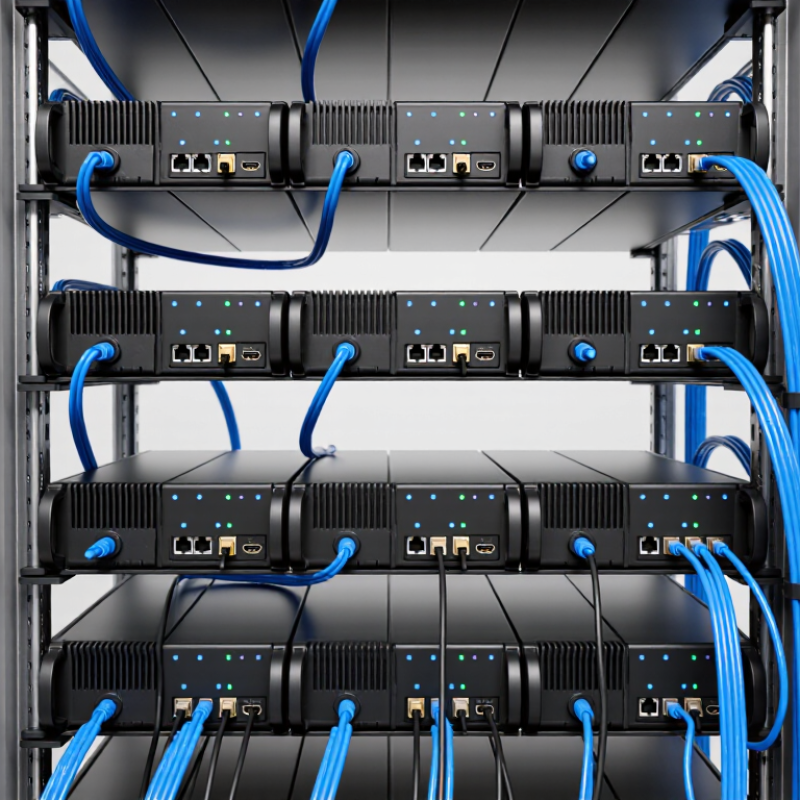
HDBaseT Basics: 5Play, 100 m Transmission, and 18 Gbps Bandwidth
HDBaseT remains a practical choice for global AV installations because it combines five signals through one category cable. The 5Play model carries uncompressed video, audio, Ethernet, control data, and power. For installers, this reduces cable congestion behind displays and in equipment racks. The standard supports transmission distances up to 100 meters over suitable twisted-pair cabling. However, 100 meters is a design limit, not a guaranteed result. Cable quality, patch panels, electromagnetic noise, and connector termination can reduce stability.
The 18 Gbps bandwidth target supports demanding formats, including 4K video at higher refresh rates and enhanced color sampling, when the complete system is compatible. The HDMI Licensing Administrator lists 18 Gbps as the bandwidth level associated with HDMI 2.0-class performance. HDBaseT technical documentation also emphasizes uncompressed transport and structured-cabling reliability. AVIXA’s 2024 Industry Outlook reported a professional AV market value of about 306 billion U.S. dollars in 2023, showing why scalable signal distribution matters to integrators worldwide. Still, market growth does not remove engineering mistakes. I would test the full cable route before installation, especially in crowded ceiling spaces. Shorter runs often feel safer, but careful termination matters more than impressive distance claims.