2026 Best Tricycle Motor Bike for Global Buyers?
Choosing the 2026 Best Tricycle Motor Bike requires more than comparing prices, battery sizes, or polished showroom photos. Global buyers need a vehicle that matches real roads, daily loads, climate, and service conditions. A model that performs well on smooth streets may struggle on steep lanes, loose gravel, or crowded market routes.
Tom Flood, a longtime bicycle-industry strategist, offers a practical reminder: “Buy for the route, not the showroom.” That principle deserves attention. A capable Tricycle Motor Bike should provide stable handling, predictable braking, useful cargo capacity, and comfortable controls. Buyers should also examine motor ratings, battery warranty terms, charging requirements, frame strength, tire availability, and local technical support. Small details matter. A missing replacement controller can stop a business for days.
This guide compares important choices for international buyers, including electric and fuel-powered configurations, passenger designs, cargo platforms, and enclosed models. It considers operating costs, assembly quality, rider protection, and long-term maintenance. Yet no ranking is perfect. Factory specifications may not reflect heavy rain, uneven pavement, overloaded baskets, or inexperienced riders. Real-world testing remains essential.
Look beyond speed.
The best Tricycle Motor Bike is not always the most powerful option. It is the model that fits the route, load, budget, and support network. Buyers should verify regional requirements before ordering. Careful evaluation reduces unpleasant surprises and supports safer, more dependable mobility in 2026.
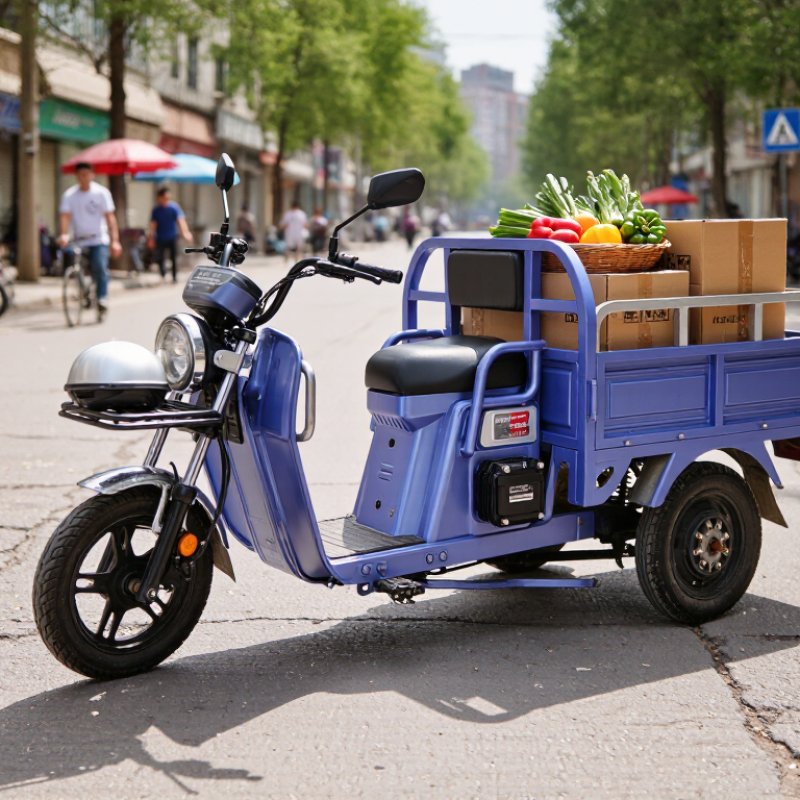
Classify L5 Tricycles: >45 km/h, >50 cm³ or >4 kW (UNECE)
A strong 2026 tricycle motor bike should be evaluated as an L5 vehicle, not merely as a larger scooter. Under UNECE L-category principles, L5 covers symmetrical three-wheel vehicles exceeding 45 km/h, with engines above 50 cm³ or continuous rated power above 4 kW. These thresholds affect braking, lighting, stability, mirrors, and approval documentation. The boundary is easy to misread. An electric model below 45 km/h may fall into another category, while a powerful model can trigger stricter requirements even at lower advertised speeds.
Real-world selection needs more than a speed claim. Check the continuous motor rating, not only peak output. Request test evidence for stopping distance, grade climbing, battery protection, and frame durability. The IEA Global EV Outlook 2024 identifies India as the largest electric three-wheeler market and reports strong electric adoption in this segment. That trend shows practical demand, but it does not prove every export model is ready for L5 compliance. UNECE approval documents, or equivalent national certificates, remain essential. Payload matters too. A vehicle carrying two adults, tools, and a 100-kilogram cargo box behaves differently on wet corners. Buyers often overlook rear-axle loading. That shortcut can fail. A professional comparison should record range under payload, charging time, tyre size, turning radius, and service-part availability. UNECE regulations provide a useful technical reference, while local authorities decide registration and road access.