2026 Top China Bitumen Tanks Manufacturer Guide
Choosing the right China Bitumen Tanks Manufacturer requires more than comparing prices and tank capacities. A reliable supplier must understand viscosity, heat retention, corrosion control, and safe material handling. In practical projects, bitumen may remain near 140–180°C, depending on its grade and application. That heat changes everything.
Dr. Li Wei, an industrial storage equipment consultant, says, “A bitumen tank should protect the product, the operator, and the project schedule.” His point is simple. Buyers should inspect heating systems, insulation quality, steel grades, weld records, and emergency access. A well-designed tank may include thermal-oil coils, calibrated temperature sensors, insulated walls, level indicators, and a stable discharge valve. These details matter when a tank operates continuously beside an asphalt plant.
This 2026 guide examines how to evaluate a China Bitumen Tanks Manufacturer with practical evidence, not attractive promises. It considers factory experience, engineering capability, quality control, customization, delivery support, and after-sales service. Site photographs can help, but they are not enough. Ask for inspection reports, material certificates, pressure-test records, and commissioning procedures. Also check whether the supplier understands your climate, transport route, heating fuel, and installation limits.
No guide is perfect. Product specifications can change. Some claims need independent verification. A cheaper tank may appear efficient, yet weak insulation can increase fuel use every operating day. The strongest decision balances purchase cost, safety, serviceability, and long-term performance. This approach helps project owners select equipment with fewer surprises and clearer accountability.
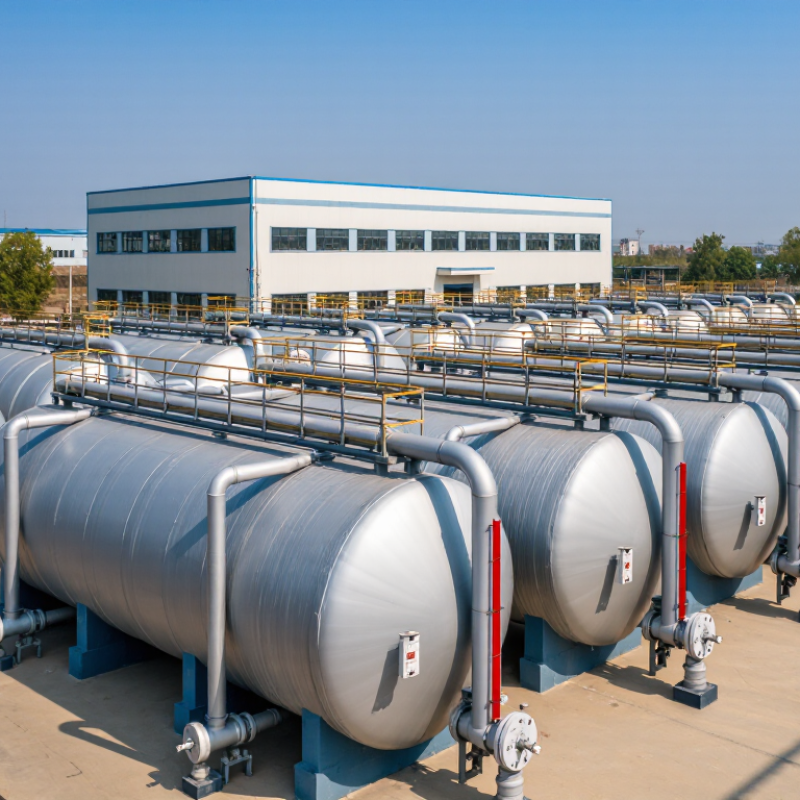
What Is a Bitumen Tank and How Does It Work?
2026 Top China Bitumen Tanks Manufacturer Guide
A bitumen tank is a heated steel vessel designed to store and transfer asphalt binder safely. Bitumen becomes highly viscous when cooled, so controlled heat keeps it pumpable. Depending on the grade, operating temperatures commonly range from 140°C to 180°C.
The tank normally uses thermal-oil coils or electric heating elements. Insulation reduces heat loss around the shell, while temperature sensors control the heating system. A pump then moves liquid bitumen through insulated pipelines to the mixing plant. Level gauges, high-temperature alarms, pressure relief devices, and emergency shutoffs are essential. Small details matter.
Eurobitume’s technical guidance stresses temperature control because overheating can accelerate binder aging and increase emissions. The U.S. Federal Highway Administration reported that reclaimed asphalt pavement was used by nearly all surveyed asphalt producers in recent industry assessments. This trend increases the need for stable storage temperatures and reliable blending equipment. A tank may look simple, but uneven heating can create cold zones, hardened deposits, or inaccurate discharge volumes.
Field inspections often find neglected insulation, blocked vents, and sensors that were never calibrated. These are not dramatic failures. They are costly ones. Manufacturer selection should therefore include weld quality, thermal efficiency, corrosion protection, maintenance access, and documented factory testing. Tank capacity alone is a weak buying criterion.
2026 Top China Bitumen Tanks Manufacturer Guide - What Is a Bitumen Tank and How Does It Work?
| Data Dimension | Typical Data or Specification | How It Works or Why It Matters | Selection and Design Notes |
|---|---|---|---|
| Definition | A bitumen tank is an insulated storage or process vessel designed to receive, heat, hold and discharge asphalt binder. | The tank maintains bitumen at a controlled temperature so that its viscosity remains suitable for pumping and blending. | The tank should be selected according to bitumen grade, throughput, storage duration, heating method and site conditions. |
| Common Tank Configurations | Horizontal cylindrical tanks, vertical cylindrical tanks, heated container tanks and modular tank systems. | Horizontal tanks are convenient for transport and smaller capacities; vertical tanks use less ground area and are suitable for larger stationary storage. | Consider available land, foundation requirements, access for maintenance, transportation limits and expansion plans. |
| Typical Nominal Capacity | Approximately 10–100 m³ for compact or mobile systems; 100–1,000 m³ for many industrial storage installations. Larger systems may be engineered for specific projects. | Capacity determines how much material can be stored between deliveries and how consistently the downstream process can operate. | Avoid sizing the vessel only for daily demand. Include usable volume, thermal expansion allowance, minimum operating level and reserve capacity. |
| Usable Filling Level | Often designed around 80–90% of geometric volume, subject to the tank design and local requirements. | Free space accommodates thermal expansion, reduces overflow risk and provides room for level-control operation. | The final maximum fill level must be confirmed by the engineering design, temperature range and applicable regulations. |
| Bitumen Operating Temperature | Common storage and transfer temperatures are approximately 140–180 °C, depending on bitumen grade and process requirements. | Heating lowers viscosity, allowing the bitumen to flow through pumps, valves and pipelines. | Use the supplier’s product data sheet. Excessive temperature can accelerate aging, increase emissions and create safety hazards. |
| Heating Methods | Thermal-oil coils, electric heating elements, or direct/indirect hot-gas heating systems. | Heat is transferred through coils or heating surfaces into the bitumen while temperature controls regulate the heat input. | Indirect heating is generally preferred for uniform temperature control and reduced risk of localized overheating. |
| Heating Surface Design | Heating coils are commonly installed near the lower section of the tank, with circulation or heat-transfer arrangements based on the vessel design. | Lower-level heating helps melt and mobilize cold bitumen, while controlled circulation reduces temperature stratification. | The coil layout should allow inspection, draining, cleaning and adequate separation from the tank shell. |
| Thermal Insulation | Mineral wool, rock wool or other high-temperature insulation is commonly used; approximately 75–150 mm may be specified for many applications. | Insulation reduces heat loss, stabilizes the product temperature and lowers fuel or electricity consumption. | Insulation thickness should be calculated from operating temperature, ambient conditions, wind exposure and energy targets. |
| Tank Shell Material | Welded carbon steel is widely used for atmospheric bitumen storage tanks, subject to temperature, corrosion and structural calculations. | The shell contains the hot liquid and transfers loads to the foundation or support structure. | Material selection must consider design temperature, weldability, corrosion allowance, thermal cycling and applicable material standards. |
| Approximate Bitumen Density | Typically about 0.95–1.05 t/m³ at approximately 15 °C; density varies with grade and temperature. | Density is used to convert between mass and volume and to calculate structural, pumping and inventory requirements. | Use the actual product density and temperature-correction data for purchasing, custody transfer and process calculations. |
| Loading and Unloading | Top or bottom loading may be used; heated inlet and outlet lines are common where solidification is possible. | Pipelines and valves are kept warm enough to maintain flow during transfer and prevent blockage. | Provide isolation valves, drain points, flexible connections where required and sufficient access for hose or pipeline connection. |
| Bitumen Pump Type | Positive-displacement pumps, especially screw or gear pumps, are commonly used for viscous bitumen transfer. | The pump moves a controlled volume of high-viscosity liquid and can provide stable flow at suitable pressure. | Select the pump from required flow rate, viscosity, temperature, pressure, suction conditions and cleanability. |
| Temperature Control | Temperature sensors, controllers, high-temperature alarms and automatic heating shutdown are commonly included. | The control system adjusts the heater output to maintain the setpoint and protects the product and equipment from overheating. | Use independent high-temperature protection in addition to normal process control where risk assessment requires it. |
| Level Measurement | Radar, guided-wave, ultrasonic, hydrostatic or mechanical level indicators may be used, depending on the application. | Level measurement supports inventory management, pump protection, overfill prevention and automatic filling control. | The instrument must be compatible with high temperature, vapors, viscosity, tank geometry and required measurement accuracy. |
| Ventilation and Pressure Protection | Atmospheric tanks normally require suitable venting, access openings and protection against vacuum or excessive pressure. | Vents balance pressure during filling, emptying and thermal changes while preventing unsafe pressure buildup. | Vent sizing and arrangement must follow the tank design basis, process conditions and local fire and environmental requirements. |
| Safety Equipment | Typical provisions include emergency shutdown, high-level alarm, over-temperature alarm, guarded hot surfaces, spill control and fire protection. | These systems reduce the risk of overflow, burns, fire, equipment damage and uncontrolled heating. | The complete safety design should be based on a site-specific hazard assessment and applicable occupational and fire codes. |
| Foundation and Support | Concrete ring foundations, slabs, saddles or structural supports may be used according to tank orientation and soil conditions. | The foundation distributes the operating load and accommodates settlement, thermal movement and wind or seismic forces. | Foundation design should use the full operating weight, including bitumen, water, insulation, accessories and temporary loads. |
| Applicable Design References | Common references may include API 650, EN 14015, GB/T 50341 or other applicable national and project specifications for atmospheric welded tanks. | These references address areas such as materials, welding, inspection, shell design, foundations and testing. | The selected standard must be agreed before design begins; local regulations and project specifications take priority. |
| Inspection and Testing | Typical checks include dimensional inspection, weld visual examination, non-destructive testing, leak testing, heating-system testing and functional checks. | Testing confirms that the vessel, welds, heating circuit, instruments and safety systems perform as designed before commissioning. | Inspection extent should be defined in the quality plan and matched to the selected design code and risk level. |
| Routine Maintenance | Regular activities include checking insulation and cladding, testing alarms, inspecting valves and pumps, cleaning strainers and examining heating coils. | Preventive maintenance reduces heat loss, blockage, leakage, unplanned shutdowns and unsafe operating conditions. | Maintenance intervals should reflect operating hours, bitumen grade, heating cycles, corrosion exposure and inspection findings. |
| Typical Service Life Factors | Service life depends on steel quality, corrosion protection, weld quality, temperature cycling, foundation performance and maintenance. | A sound design and controlled operating temperature help limit shell deterioration and bitumen aging. | Do not evaluate durability by tank size alone; review the complete design, fabrication records, coating system and inspection program. |