2026 Top Loading Robots Which Models Are Best?
Choosing the best Loading Robots for 2026 requires more than comparing speed, payload, or purchase price. These systems now handle palletizing, depalletizing, truck loading, and machine tending. Each application creates different demands.
The International Federation of Robotics reported 541,302 industrial robot installations worldwide in 2023. That figure confirms strong automation demand, even during uneven manufacturing conditions. The IFR World Robotics 2024 report also shows that automotive, electronics, and metal industries remain major robot users. Meanwhile, the MHI Annual Industry Report 2024 identifies robotics, artificial intelligence, and warehouse automation as important investment priorities.
The market is moving quickly.
For a busy distribution center, the best model may combine vision guidance, automatic pallet detection, and safe human collaboration. A food producer may value stainless-steel construction and washdown resistance more than maximum reach. A smaller factory may need simple programming, compact installation, and dependable local service.
This guide compares leading Loading Robots by payload, reach, cycle time, integration, safety features, and total operating cost. It also considers practical details, such as uneven pallets, dusty floors, changing carton sizes, and limited maintenance staff. Those details often decide whether a robot performs well beyond the showroom.
No ranking is perfect. Manufacturer cycle-time figures may use ideal conditions, while real facilities face delays and damaged packaging. Energy use and software support are also difficult to compare consistently. Therefore, the strongest choice depends on the workflow, not the most impressive specification sheet. This review uses published industry research, manufacturer documentation, and real-world selection criteria to identify the models most worth evaluating in 2026.
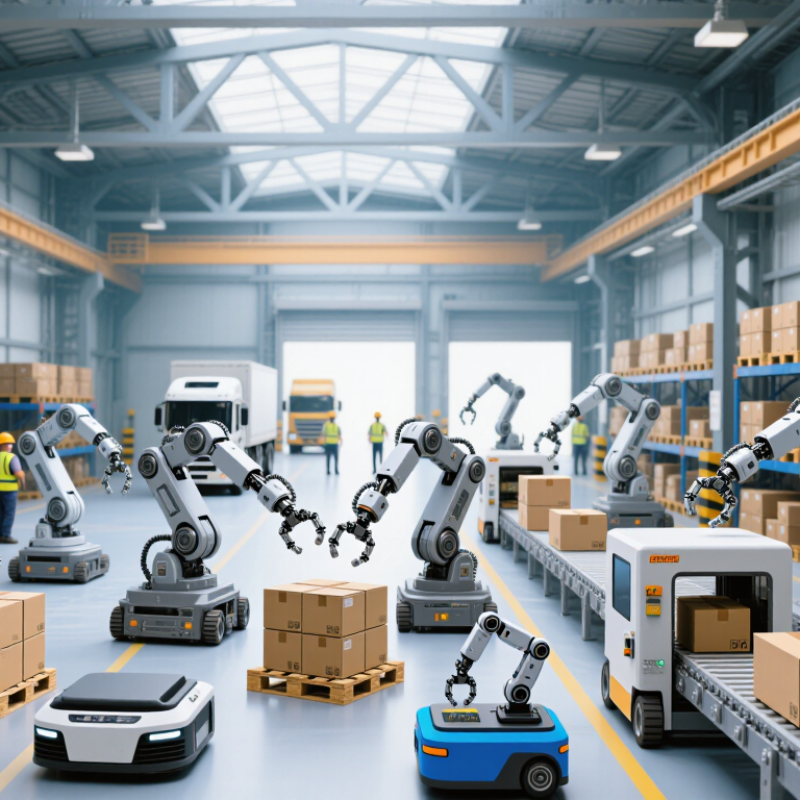
What Are Top-Loading Robots and How Do They Work?
Top-loading robots are automated machines that place products into containers from above. They commonly serve packaging lines for food, medicine, household goods, and small industrial parts. A typical system combines a robotic arm, vision camera, product feeder, gripping tool, and control software.
The process begins when products move along a conveyor. A camera checks their position, direction, and spacing. The software then calculates a safe picking path. The robot lowers its gripper, lifts one or several items, and places them into a box or tray. Sensors confirm the grip and detect missing or damaged products. The cycle repeats, often within seconds.
In practical use, top-loading robots can reduce repetitive lifting and improve packing consistency. Their performance depends on product shape, surface texture, weight, and line speed. Soft bags may need vacuum gripping, while rigid parts may require mechanical fingers. Clean equipment and regular inspections remain important. A camera can misread glare. A gripper can also lose an item.
Choosing a suitable model requires more than comparing advertised speed. Operators should test real products, including irregular sizes and partially filled packages. The robot must fit the available floor space and communicate with existing machinery. Safety fencing, emergency stops, and access controls should match local requirements. Some systems look efficient during demonstrations but perform less reliably under dust, vibration, or frequent product changes. Careful trials expose those weaknesses before installation.