Go to Main Content Go to Footer

Top 10 Best Wheelchair Accessible SUVs to Buy?

Choosing a wheelchair accessible suv requires more than comparing prices, horsepower, and glossy cabin photos. The right vehicle must work during ordinary routines, from entering a narrow parking space to securing a chair before a rainy commute. This guide examines ten strong options using practical accessibility standards, manufacturer specifications, conversion quality, and owner experiences. We consider ramp angle, doorway height, interior turning space, floor strength, tie-down systems, and seating flexibility. Small details matter. A low step can reduce strain. A wide-opening door can change the entire transfer experience.

Not every SUV will suit every wheelchair or passenger. That is an important limitation. Some models offer generous cabin space but lack convenient storage, while others provide smooth ramps but compromise rear visibility. We also look at conversion support, warranty coverage, service access, and crash-tested restraint equipment. Independent mobility specialists and experienced users can provide valuable insight beyond dealership claims. Still, availability and conversion standards may vary by region, so specifications should be verified before purchase. A test drive is essential, preferably with the actual wheelchair, cushion, and caregiver involved. Bring the real equipment. Measure twice. Even this process can reveal uncomfortable surprises, including tight turning circles or difficult latch positions. The following selections aim to balance safety, usability, comfort, and long-term ownership value, while acknowledging that the best choice depends on personal mobility needs.
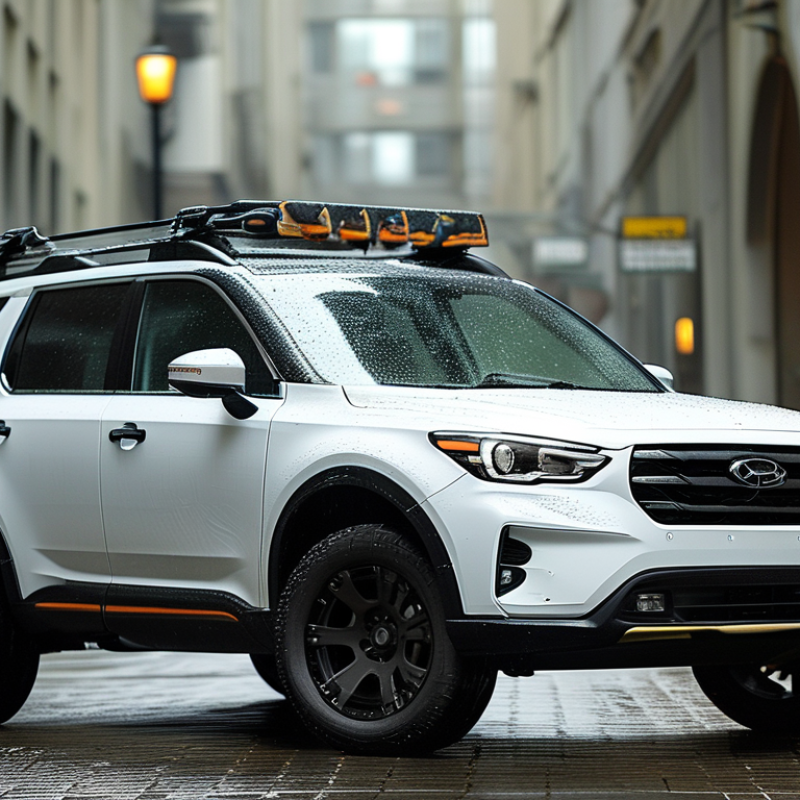
Top 10 Best Wheelchair Accessible SUVs to Buy?

What Makes an SUV Wheelchair Accessible?

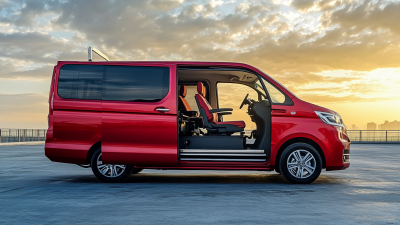
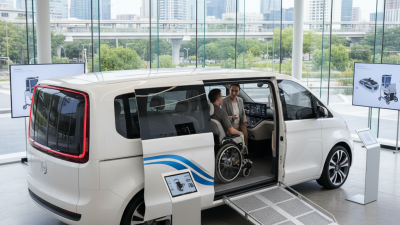
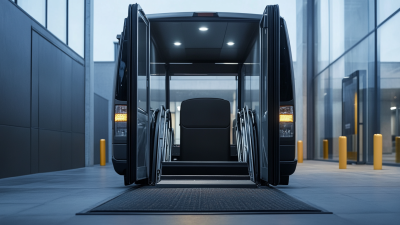
An accessible SUV must work around the wheelchair, not force the passenger to adapt. The doorway should open widely, with enough height for a seated person’s head and shoulders. A powered ramp or lift needs a gentle angle, stable side edges, and a surface that remains secure when wet. Small details matter. A low step, bright interior lighting, and reachable door controls can reduce daily strain.

Inside, the wheelchair needs a clear route from the entrance to its travel position. That may require a lowered floor, removable seats, or extra roof clearance. Proper tie-downs should hold the chair firmly during sudden braking. A separate occupant restraint is also essential. In professional mobility assessments, technicians check ramp clearance, turning space, seat height, and visibility from the driver’s position. They also test whether a caregiver can operate the equipment without excessive force.

A wide doorway alone is not enough. Some SUVs look spacious but leave little room for footrests or hand controls. Buyers should measure the wheelchair, including its widest wheels and tallest backrest. Try the vehicle with the actual chair, not a showroom model. Even careful shoppers can overlook parking height or a ramp that extends behind the vehicle. Accessibility is personal, and one design may suit a manual chair but fail for a powered model. Real-world testing may feel inconvenient, but it often reveals the details that specifications miss.

Key Features to Compare Before Buying

Top 10 Best Wheelchair Accessible SUVs to Buy? Key Features to Compare Before Buying

Choosing a wheelchair-accessible SUV requires more than checking the ramp and price. Measure the wheelchair, turning path, doorway width, and interior height first. A few centimeters can decide whether daily entry feels smooth or frustrating. Check the ramp angle on wet ground, not only inside a showroom. Power doors and ramps add convenience, but they also need reliable manual backup systems.

Safety deserves careful attention. Look for wheelchair tie-downs and occupant restraints tested under recognized standards, such as SAE J2249 and RESNA WC18. NHTSA’s New Car Assessment Program evaluates vehicle crash performance, but it does not certify every wheelchair conversion. Ask for conversion-specific crash-test documentation. Confirm the remaining payload after adding the lift, batteries, passengers, and luggage. Overlooking this calculation is an easy mistake.

Driving controls, sightlines, suspension comfort, and ground clearance matter during real trips. Advanced emergency braking can help, yet sensors may behave differently after structural modifications. Request a demonstration with the actual wheelchair and user. WHO’s Global Report on Health Equity for Persons with Disabilities estimates that 1.3 billion people live with significant disability worldwide, showing why practical accessibility deserves serious evaluation. Still, published specifications can feel incomplete. Service access, replacement-part availability, and technician training may matter more than a polished feature list.

Top 10 Wheelchair-Accessible SUVs by Use Case

Top 10 Best Wheelchair Accessible SUVs to Buy?

The best wheelchair-accessible SUV depends on the user, not the badge. For city errands, choose a compact model with a low ramp angle and tight turning radius. For family travel, prioritize three-row seating, wide doors, and removable second-row seats. Long-distance drivers need quiet cabins, strong climate control, and generous battery range for power chairs. Caregivers may prefer rear-entry access, while independent users often favor side-entry layouts and direct transfer space. Cargo-focused buyers should measure the chair, ramp, and medical equipment together.

The World Health Organization’s Global Report on Health Equity for Persons with Disabilities estimates that 1.3 billion people experience significant disability worldwide. In the United States, the CDC’s Disability and Health Data System reports that about one in four adults has a disability. These figures support broader vehicle choice, but fit still varies sharply. A heavy power wheelchair can expose weak ramp design quickly. I would not trust a showroom impression alone. A real transfer test matters more.

Tips: Measure floor height, door clearance, ramp length, and turning space. Ask for a demonstration using your actual wheelchair. Check whether the conversion follows RESNA WC18 and WC19 guidance for securement and occupant restraint. Also inspect ground clearance before winter travel. My ranking would change after that test.

Top 10 Best Wheelchair-Accessible SUVs to Buy? — Key Benchmarks by Use Case

These measurable accessibility benchmarks can help compare SUVs for independent driving, side-entry ramps, transfers, mobility-device storage, and accessible parking. The values are based primarily on the ADA 2010 Standards and are shown in inches.

Practical note: SUV conversions vary significantly. Check the actual door opening, ramp geometry, interior clear floor space, turning area, and parking compatibility before purchase. Reference: U.S. ADA 2010 Standards for Accessible Design, Sections 302, 305, 306, 403, 404, 502, and 503.

Safety, Comfort, and Mobility Equipment Considerations

Top 10 Best Wheelchair Accessible SUVs to Buy?

Choosing among the top ten wheelchair-accessible SUVs requires more than checking ramp access. Safety should guide every decision. Confirm that the wheelchair restraint system is properly rated and professionally installed. Ask whether the vehicle has been tested with your chair’s weight and dimensions. Measure doorway width, cabin height, ramp angle, and turning space before purchasing. A vehicle can look perfect online and still fail in your driveway.

Comfort matters during short errands and long journeys. Look for supportive seating, low floor vibrations, clear sightlines, and simple climate controls. Drivers should assess steering effort, pedal reach, transfer space, and hand-control compatibility with a qualified mobility technician. Passengers need secure positioning, comfortable head support, and enough knee room. Even small details matter, such as glare from windows or a ramp that feels slippery after rain. Some choices may seem practical but create daily frustration.

Tips: Bring the actual wheelchair for a supervised test drive. Practice entering, securing, and exiting without rushing. Check emergency access, battery storage, and ground clearance. Ask an accessibility specialist to inspect the conversion. I would not rely on a brochure alone. Real comfort often appears after thirty minutes, not five. Accessibility needs can also change, so leave room for future equipment or reduced mobility.

Top 10 Best Wheelchair Accessible SUVs to Buy? - Safety, Comfort, and Mobility Equipment Considerations
Rank SUV Configuration Best For Access Type Ramp Capacity Typical Door Opening Interior Headroom Wheelchair Space Key Safety Equipment Comfort Features Suitability Score
1 Full-Size Side-Entry SUV Power wheelchair users and families Powered side-entry ramp 800–1,000 lb 30–34 in 54–58 in Adult chair plus transfer space Four-point tie-downs, shoulder belt, stability control, side-impact protection Three-row seating, climate control, adjustable second-row seating 9.6/10
2 Large Rear-Entry SUV Multiple passengers and caregivers Rear manual or powered ramp 600–1,000 lb 28–32 in 53–57 in One chair with generous rear maneuvering room Crash-tested occupant restraints, rear camera, parking sensors, emergency braking Flexible seating, large cargo area, easy caregiver access 9.2/10
3 Extended-Wheelbase Midsize SUV Daily transportation and road trips Side-entry ramp with lowered floor 600–800 lb 29–32 in 52–56 in One standard or compact power chair Wheelchair docking system, traction control, blind-spot monitoring Quiet cabin, supportive seating, rear air conditioning 9.0/10
4 High-Roof Midsize SUV Tall users and upright seating Side-entry powered ramp 600–800 lb 29–33 in 55–60 in One chair with high vertical clearance Head-protection clearance, four-point restraints, lane-keeping support Tall cabin, wide-opening doors, adjustable steering and seat controls 8.8/10
5 Five-Seat Compact SUV Urban driving and smaller chairs Rear-entry ramp or transfer seat 500–700 lb 27–30 in 50–54 in Manual or compact power chair Rear camera, automatic emergency braking, parking sensors Easy parking, lower running costs, flexible rear seats 8.5/10
6 Three-Row Midsize SUV Families requiring extra seating Side-entry ramp with seat removal 600–800 lb 28–32 in 51–56 in One chair; reduced space when all rows are occupied Electronic stability control, curtain airbags, lane-departure warning Multiple seating layouts, rear climate vents, wide rear doors 8.3/10
7 Low-Floor Crossover SUV Manual wheelchair users and transfers Portable ramp or transfer solution 300–600 lb 26–29 in 49–53 in Foldable manual chair or compact mobility scooter Transfer handles, parking camera, tire-pressure monitoring Car-like ride height, supportive seats, simple controls 8.0/10
8 Hybrid-Power Side-Entry SUV Frequent commuters prioritizing efficiency Side-entry ramp, compatibility must be verified 500–800 lb 28–32 in 51–55 in One chair, subject to battery and floor-layout requirements Battery isolation, stability control, collision warning, secure tie-downs Quiet operation, smooth acceleration, reduced fuel consumption 7.8/10
9 All-Wheel-Drive Accessible SUV Snow, rain, and uneven-road travel Rear or side-entry ramp 500–800 lb 27–31 in 50–55 in One chair with suitable ramp clearance All-wheel traction management, hill-start assist, stability control Improved weather traction, heated seating, water-resistant flooring 7.6/10
10 Compact Rear-Entry SUV Budget-conscious individual users Manual rear ramp 300–500 lb 26–29 in 49–52 in Foldable manual chair or small scooter Four-point restraints, rear camera, anti-lock braking system Lower purchase and maintenance costs, straightforward controls 7.3/10
Important evaluation note: The measurements shown are realistic target ranges for accessible SUV configurations rather than specifications for a particular vehicle. Actual wheelchair fit depends on the chair's overall length, width, height, weight, turning radius, battery type, ramp angle, occupant restraint system, and vehicle conversion. Always complete an in-person fit assessment and confirm that the mobility equipment and restraint system have been professionally installed and crash-tested.

Ownership Costs, Modifications, and Maintenance Needs

Top 10 Best Wheelchair Accessible SUVs to Buy?

Ownership costs extend well beyond the purchase price. A factory-ready SUV may cost more initially, but its integrated ramp can reduce modification risks. Retrofitting often adds $15,000 to $35,000, depending on floor lowering, ramp design, seating, and control changes. Request itemized estimates. Vague quotes create expensive surprises.

Fuel use matters every week. Added equipment increases weight, while frequent short trips can reduce efficiency further. Insurance may also change after structural modifications, so confirm coverage before signing a contract. I would keep an emergency fund for sensors, tires, batteries, and electrical repairs. Small failures can interrupt essential travel.

Maintenance needs deserve a close inspection. Hinges should move smoothly, ramps should lock firmly, and lowered floors must remain sealed against water. Ask a qualified mobility technician to inspect welds, wiring, restraints, and suspension components. Follow both the vehicle schedule and the conversion manufacturer’s schedule. They are not always identical.

Do not overlook cleaning.

Mud collects around ramp tracks. Salt damages exposed hardware. A monthly inspection takes little time, yet many owners postpone it until a warning light appears. I have found that convenience features can become liabilities when replacement parts are uncommon. Keep service records, learn the manual release procedure, and test the backup system regularly. Availability varies by location. Confirm local support before buying.

Logo Access 360