How to Buy a Forthing Friday Compact SUV?
Buying a new Compact Suv Forthing Friday requires more than comparing attractive photographs and monthly prices. A careful decision begins with verified specifications, local availability, and realistic ownership costs. Check the official Forthing website, authorized dealers, and current registration requirements in your market. Online listings can be outdated. That small detail matters.
Before visiting a showroom, record your daily driving needs. Measure your parking space, note your usual passenger count, and estimate weekly mileage. A family carrying sports equipment may need different rear-seat flexibility than a city commuter. Ask the dealer about engine options, fuel consumption testing, safety equipment, service intervals, and warranty coverage. Request written details rather than relying only on a salesperson’s explanation.
A proper test drive should include narrow streets, uneven surfaces, and highway speeds. Listen for unusual cabin noise and check whether the driving position feels natural. Try the rear doors and luggage area yourself. These actions reveal practical issues that brochures often miss. Compare insurance quotes and scheduled maintenance costs before discussing finance. Interest rates can change the apparent value quickly.
This guide explains how to research, inspect, test, and negotiate for the Forthing Friday Compact SUV. It emphasizes reliable sources and evidence from real driving conditions. However, no guide can remove every uncertainty. Dealer support may differ between regions, and equipment can change between model years. I may overlook a detail specific to your market. Verify every important claim before signing any purchase document.
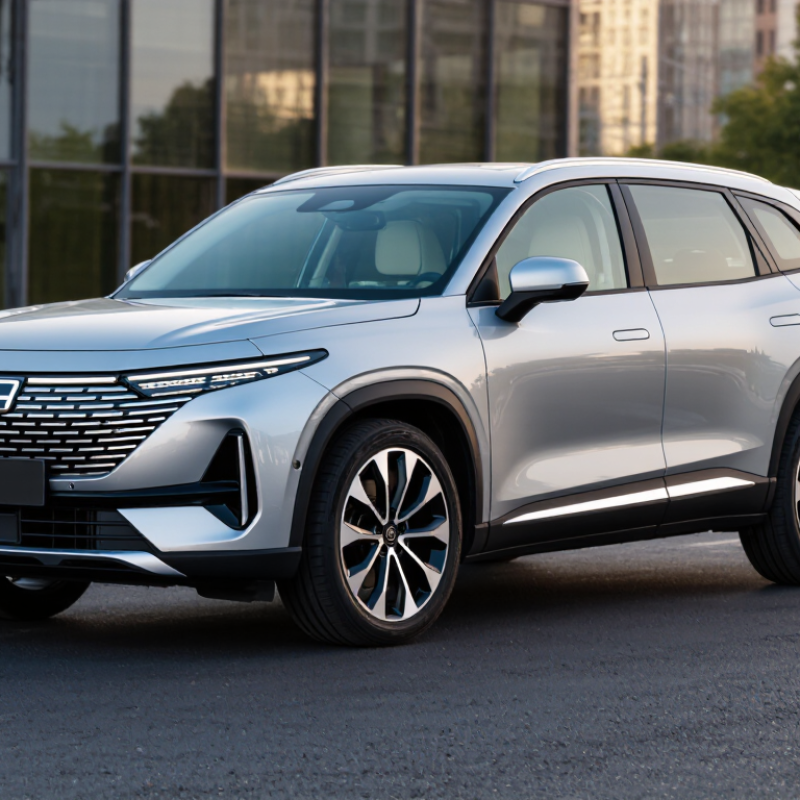
Define the Forthing Friday’s WLTP Range, Battery Capacity, and Power Output
How to Buy a Compact Electric SUV?
A practical purchase starts with three figures: WLTP range, battery capacity, and power output. The standard version uses a 57.8 kWh battery and offers approximately 320 km of WLTP range. Its electric motor produces about 150 kW, or roughly 204 horsepower. That output feels confident in city traffic and remains capable during motorway overtaking.
An extended-range version may carry an 85.9 kWh battery and achieve about 430 km under WLTP testing. These figures are useful for comparison, but they are not daily promises. Cold weather, high speeds, passengers, and heating can reduce the real distance noticeably. Check the label. Battery size also affects charging stops, vehicle weight, and purchase cost. A larger pack sounds better, yet it may be unnecessary for short urban commutes.
During a test drive, watch the energy display after a few kilometres. Compare its estimated range with your normal route, not an ideal brochure journey. Ask the seller about usable battery capacity, charging speed, warranty coverage, and software updates. Power output alone does not reveal driving quality; throttle response and regenerative braking matter too. I would leave room for doubt, because published specifications can differ between markets or model years. One overlooked detail is enough to change the buying decision.