How to Choose a GPS Tracker Device in 2026
Choosing a Gps Tracker Device in 2026 is less about finding the smallest box and more about matching its capabilities to a real need. A vehicle owner may care about reliable live updates, while a family may value a clear location history and a battery that lasts through a weekend trip. GPS pioneer Dr. Bradford Parkinson has described GPS as “a global utility.” That perspective is useful: location technology matters most when it works consistently in ordinary conditions.
Start by checking coverage, update frequency, battery life, and the full subscription cost. A tracker that refreshes every few seconds can drain power faster than one designed for occasional checks. Look closely at the app, too. Can you read the map outdoors in bright sunlight? Are alerts easy to understand? Small details matter. So does setup. A device that takes an hour to configure may not suit someone who needs a quick, dependable solution.
The sections ahead compare tracker types, connectivity, accuracy, privacy features, and ownership costs. They also explain how to judge specifications without treating impressive numbers as guarantees. Real-world performance can vary with buildings, terrain, network coverage, and device placement. No tracker is perfect. That deserves honest attention, not a footnote. By weighing practical tests and transparent product information, readers can choose a device suited to their routine rather than the boldest claim on a product page.
Define Your Tracking Purpose and Essential Requirements
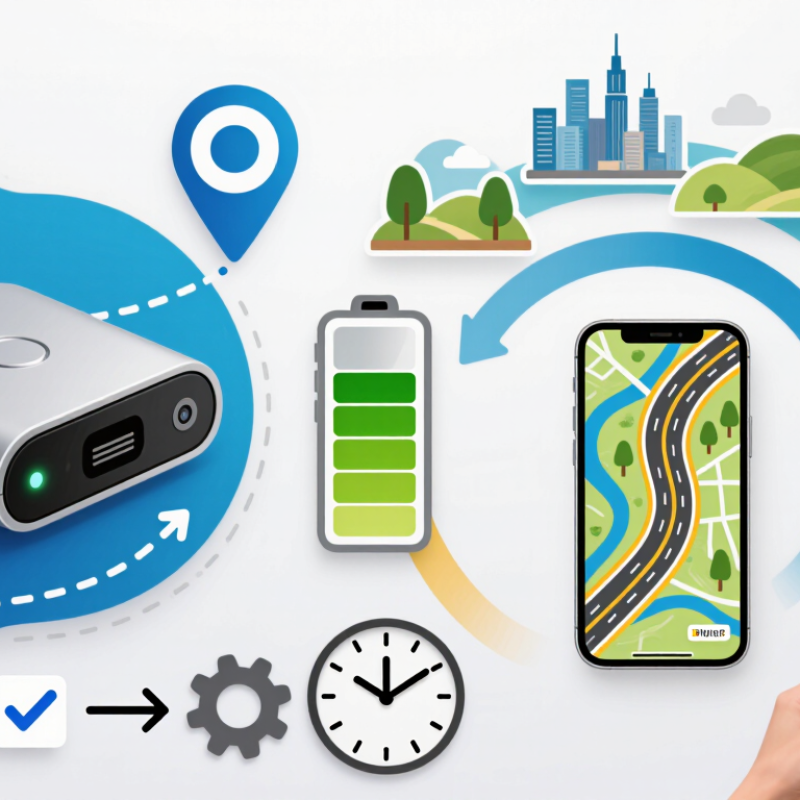
Before comparing GPS tracker devices in 2026, decide what you need to locate and how often. A tracker for a delivery vehicle may need frequent updates and reliable power. A small bag tracker may need to be lightweight, discreet, and easy to recharge. For outdoor equipment, check whether its casing can handle rain, dust, and bumps. Be specific. “Keep track of my gear” is less useful than “find a tool case across a large worksite.”
Think through the conditions, too. Will the device usually be indoors, on the road, or in areas with weak mobile coverage? How quickly must a location update arrive? Faster updates can use more battery, so the longest advertised battery life may not match your settings. Decide who needs access to location history and how long you actually need to keep it. It is tempting to want every feature, but extra complexity can make daily use harder. Reconsider your priorities before buying.
Tips: Write down three requirements and one deal-breaker. Estimate how often you can charge the device. Check its size beside the item it will track, and test the app’s location details before relying on them. Small details matter. A tracker that is accurate but left uncharged is not much help.