Why Choose a Personal Scooter for Urban Commuting?
Urban commuting presents unique challenges. Traffic congestion, limited parking, and public transport delays can frustrate daily travelers. A Personal Scooter offers a promising solution. It combines convenience, speed, and eco-friendliness, making it an attractive option for city dwellers.
Imagine gliding through bustling streets, bypassing gridlock effortlessly. A Personal Scooter is not only compact but also lightweight, making it easy to carry. This device requires minimal space for storage, unlike a car. You can park it almost anywhere, avoiding the hassle of finding a parking spot.
Yet, one must consider the learning curve. Not everyone feels confident riding in traffic. Safety gear is vital. Personal Scooters can be affected by weather conditions, leading to potential slips or falls. Each commuter needs to assess their comfort level. As urban landscapes evolve, exploring options like a Personal Scooter can lead to a more efficient commuting experience, but it’s essential to recognize the challenges involved.
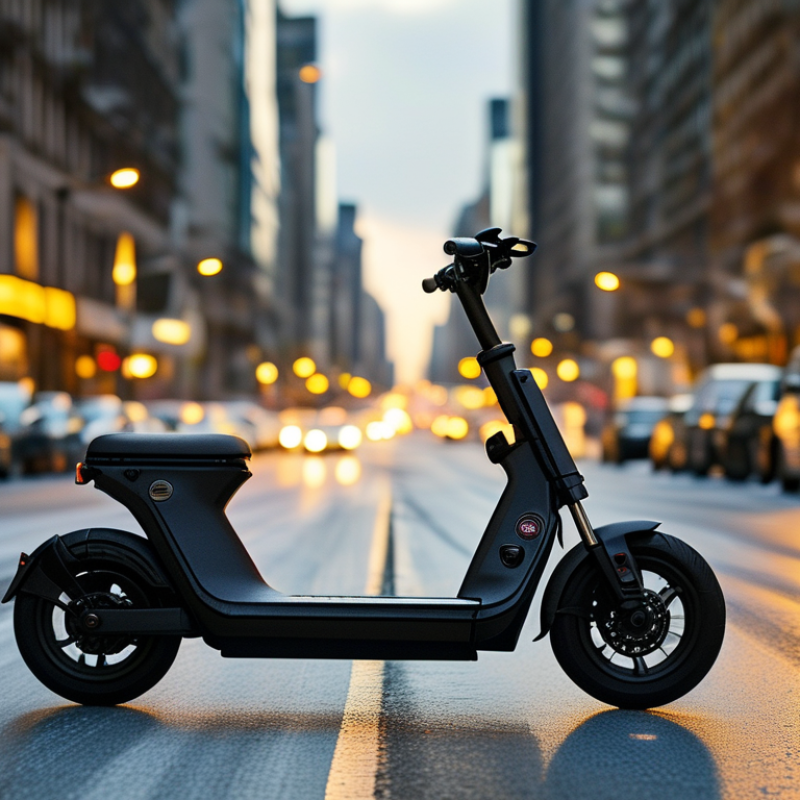
Benefits of Personal Scooters for Urban Commuting
Urban commuting is becoming increasingly challenging. Personal scooters offer a practical solution. According to a recent report by the Institute for Transportation and Development Policy, over 50% of urban trips are under three miles. Personal scooters excel in that range, providing a quick and efficient option. They can help reduce traffic congestion and lower carbon emissions significantly.
Scooters are also affordable. A study from the National Institute for Transportation says that using a scooter can save commuters up to $1,500 a year compared to driving a car. This financial benefit makes scooters an attractive choice for many city dwellers. Additionally, personal scooters require less maintenance than cars, which adds to their appeal.
Tip: Always wear a helmet for safety. You may also consider investing in a good lock. Even if scooters are lightweight, theft can still be a concern. While scooters have many advantages, you might face challenges like charging limitations or adverse weather conditions. Evaluate your routes wisely to maximize the benefits of your personal scooter in urban settings.
Environmental Impact of Using Scooters in Cities
Urban commuting often relies on various transportation modes. Personal scooters have surged in popularity due to their efficiency and environmental benefits. Using scooters can dramatically reduce air pollution in cities. This is crucial, as urban areas often face high levels of vehicle emissions.
Scooters have a smaller carbon footprint compared to cars. They consume less energy and produce fewer greenhouse gases. Many urban dwellers might not realize the extent of this impact. A single scooter can replace numerous short car trips, leading to less traffic congestion as well. However, it's important to consider potential drawbacks, such as increased scooter use leading to cluttered sidewalks or safety concerns.
There’s also a challenge with sustainability. Though scooters are electric, the production and disposal still have environmental costs. Riders must think about charging sources and battery disposal. These factors remind us that while personal scooters seem eco-friendly, they are not without their issues. Embracing any new transport mode means weighing the benefits against its environmental and societal impact.
Why Choose a Personal Scooter for Urban Commuting? - Environmental Impact of Using Scooters in Cities
| Criteria | Personal Scooter | Car | Public Transport |
| Average CO2 Emissions (g/km) | 0 | 180 | 40 |
| Average Cost per Trip | $0.05 | $1.20 | $0.85 |
| Average Speed (km/h) | 20 | 50 | 30 |
| Time to Park (minutes) | 1 | 15 | 2 |
| Health Benefits Rating (1-5) | 4 | 2 | 3 |
Cost Comparison: Scooters vs. Traditional Transport Methods
Urban commuting is transforming, and personal scooters are at the forefront. When we look at costs, scooters can save riders a significant amount. According to a recent report by Statista, the average monthly cost of public transport in major cities is around $120. In contrast, maintaining a scooter can cost as little as $30 monthly, factoring in electricity and occasional maintenance.
Moreover, scooters require no parking fees. Parking a car in urban areas can cost up to $300 monthly. Scooters, however, can be parked conveniently and often for free. This makes them an attractive option for budget-conscious commuters. It’s essential to consider initial purchase costs, which can vary. A new electric scooter may cost between $300 and $800, but this investment often pays off quickly.
However, potential riders should reflect on their choices. While scooters offer flexibility, they may not cover all commuter needs. Weather conditions can hinder scooter use, leading to unexpected transport costs. It's essential to weigh these uncertainties against the clear benefits. With rising urban traffic and costs, the choice of a personal scooter merits careful consideration.
Safety Features and Innovations in Modern Personal Scooters
In recent years, personal scooters have transformed urban commuting. Many cities are adopting innovative safety features. According to a report by the International Personal Transport Association, the number of commuters using scooters is rising by 20% annually. This growth is partly due to the advancements in safety technologies.
Modern scooters are equipped with robust braking systems, bright LED lights, and enhanced visibility features. These elements help ensure riders’ safety, especially during night rides. Many models now have anti-lock braking systems (ABS), which significantly reduce stopping distances. A survey found that scooters with these features lowered accident rates by 35%.
Tip: Always wear a helmet for added safety, no matter how short your trip. Check the tire pressure before riding to avoid accidents. Regular maintenance is key. Reflect on whether your scooter suits your commuting needs. If it doesn’t, consider alternatives that might provide better safety and convenience.
Regulatory Considerations for Using Scooters in Urban Areas
Urban areas are increasingly embracing personal scooters as a viable mode of transportation. However, regulatory considerations play a crucial role in their acceptance and functionality. Many cities have implemented specific laws regarding scooter usage to enhance safety and regulate traffic flow. According to a report by the National Association of City Transportation Officials, nearly 25% of cities in the U.S. have established legal frameworks for scooter operation. These regulations often dictate where scooters can be ridden, speed limits, and parking rules.
Despite the growing popularity, challenges remain. Many riders are unaware of local laws. For instance, in some urban areas, riding on sidewalks is prohibited, yet many still do so out of convenience. This lack of awareness can lead to accidents and conflicts between riders and pedestrians. Similarly, rules regarding age limits and safety gear vary by city. A survey from the Institute for Transportation and Development Policy indicated that 40% of scooter riders do not wear helmets, raising safety concerns.
Regulations are intended to make scooting safer and more efficient. However, inconsistent enforcement can lead to confusion. Some authorities struggle to monitor compliance effectively. This disparity prompts a need for better public education on scooter laws. Urban planners must address this issue. Clear signage and community outreach are vital in ensuring that riders understand the rules. As scooter usage continues to grow, navigating the regulatory landscape is essential for a safe urban commuting experience.