How to Choose the Best 5G Doorbell Camera in 2026?
Choosing the best 5g Doorbell Camera in 2026 requires more than chasing impressive download speeds. A reliable model must identify visitors clearly, send alerts quickly, and remain useful during heavy rain or weak coverage. The camera should support the cellular bands used by your local carrier. Otherwise, its advertised 5G performance may mean little at your front door. Check the installation area carefully. A concrete wall, metal gate, or crowded apartment entrance can reduce signal quality.
Look for sharp nighttime video, balanced HDR, two-way audio, and practical motion detection controls. A clear face at three metres matters more than an exaggerated resolution number. Test whether alerts arrive within a few seconds, especially when someone leaves a package near the mat. Battery performance also deserves honest attention. Frequent live views, cold weather, and constant motion detection can shorten runtime considerably. Wired power may be more dependable, but it is not always available.
Privacy settings should be easy to understand, including account protection, cloud retention, and local storage options. Choose a manufacturer with transparent security updates and responsive customer support. A low subscription cost can still become expensive over several years. I would also question vague claims about “AI accuracy,” because lighting and camera angle change real results. No device performs perfectly. The strongest choice balances coverage, image quality, privacy, power, and long-term cost. That balance, not a flashy specification, makes a 5g Doorbell Camera genuinely practical for everyday home security.
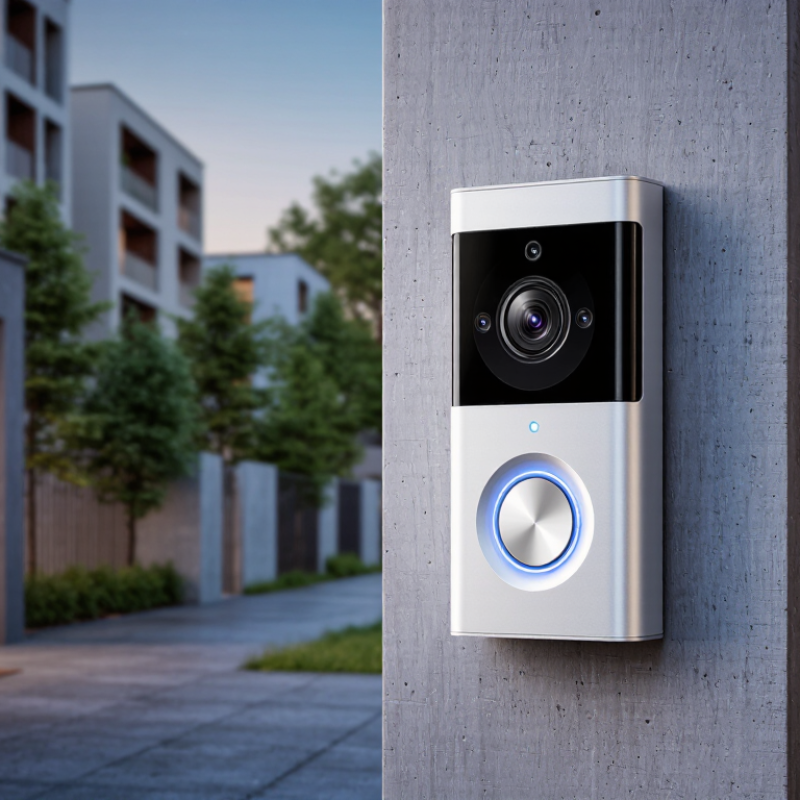
Understanding 5G Doorbell Camera Technology in 2026
A 5G doorbell camera uses a cellular modem instead of depending entirely on home Wi-Fi. It sends video through a mobile network, which helps when walls, distance, or damaged broadband disrupt connectivity. The label can mislead. Not every 5G connection delivers consistently low latency or strong indoor coverage. Ericsson’s Mobility Report, November 2024, forecasts 4.6 billion 5G subscriptions worldwide by 2029, showing how quickly compatible networks are expanding.
When choosing a camera in 2026, check supported frequency bands and local network availability. A device should support both standalone and non-standalone 5G where possible. Standalone networks can reduce dependence on older infrastructure. Upload performance matters more than download speed for live video. Look for stable upstream capacity, automatic 4G fallback, and a removable or renewable data plan. GSMA Intelligence reported approximately two billion 5G connections by the end of 2024, but coverage quality still varies sharply between neighborhoods.
Security needs practical attention. Choose end-to-end encrypted video, signed firmware updates, strong account authentication, and local recording options. A camera with a bright night scene may still fail during rain. Test motion alerts beside a busy street, then adjust detection zones. Battery models need realistic testing in cold weather and weak-signal areas, because repeated reconnection can drain power quickly. I would not trust a specification sheet alone. Independent testing remains imperfect, but it exposes problems that laboratory claims can hide.