How to Choose a LED Phototherapy Mask in 2026?
Choosing a Led Phototherapy Mask in 2026 means looking beyond sleek product photos and glowing promises. A mask may use red, blue, or near-infrared light, but the wavelengths, output, fit, and instructions differ between devices. Those details matter. So does your own skin. A person managing acne may need different features from someone seeking general skin support. Neither goal guarantees a result.
Photobiomodulation researcher Dr. Michael Hamblin describes the field as “the use of light to stimulate, heal, regenerate, and protect tissue.” That perspective offers useful context, not a promise that every home mask will deliver the same effect. Check whether a manufacturer lists wavelengths and treatment times clearly. Look for practical details: does the mask sit evenly across your cheeks, and can you wear it without pressure near your eyes? Read the safety guidance, too. If you have a skin condition, take photosensitizing medication, or are unsure whether light treatment suits you, ask a qualified healthcare professional before use. Small print counts.
This guide will help you compare device specifications, comfort, safety information, and realistic expectations. It will also point out where evidence or product details may be incomplete. That part can feel less satisfying than a simple “best mask” verdict. But it is more useful. A careful choice starts with your needs, not a dramatic before-and-after image.
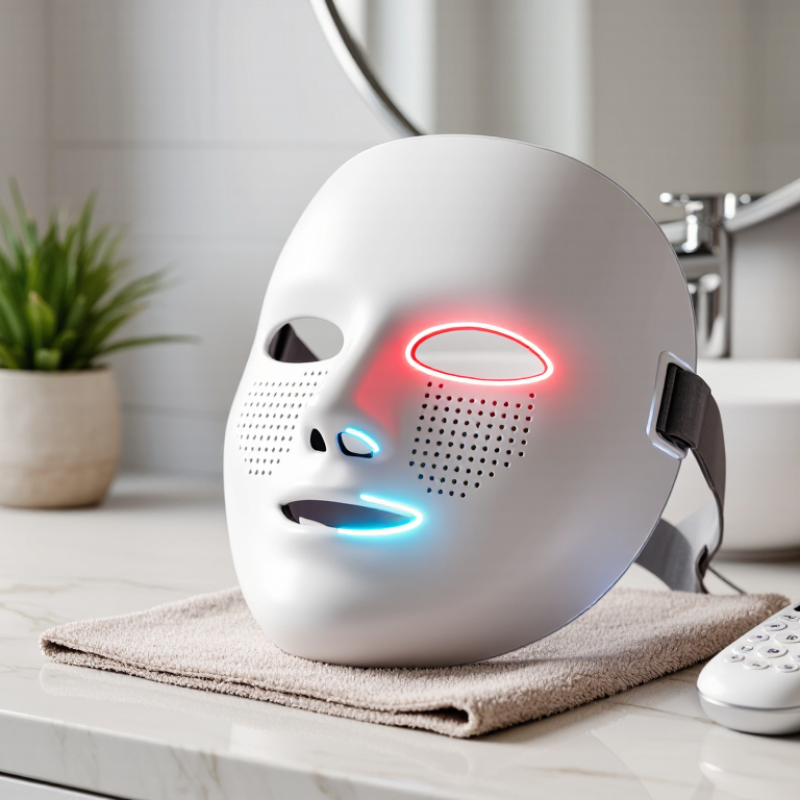
What LED Phototherapy Masks Are and How They Work
How to Choose a LED Phototherapy Mask in 2026?
LED phototherapy masks use light-emitting diodes to deliver selected wavelengths to the skin. Unlike ultraviolet light, therapeutic red and near-infrared light are designed to avoid intentional sun damage. Blue light may target acne-related bacteria, while red light can support the skin’s normal repair processes. Near-infrared light reaches deeper tissues, although its benefits may vary between users.
The mechanism is called photobiomodulation. Skin cells absorb light energy through cellular structures, which may influence inflammation, circulation, and collagen-related activity. The mask’s wavelength, irradiance, treatment time, and distance from the face all matter. A bright device is not automatically a better device. Check whether the manufacturer clearly reports these specifications and provides independent safety information.
In practical use, consistency usually matters more than dramatic intensity. Most results require repeated sessions over several weeks. Not overnight. A comfortable fit helps prevent skipped treatments, but tight masks can leave pressure marks and cause irritation. Protect your eyes when instructions require it, especially with blue light. People using photosensitizing medicines or managing eye conditions should seek qualified medical advice before treatment. The evidence is promising, but not perfectly uniform. Skin type, age, acne severity, and daily habits can change the outcome. I would question any mask promising instant lifting, permanent acne removal, or identical results for everyone.