How to Choose a Bathroom Set Manufacturer?
Choosing a Bathroom Set MANUFACTURER is not simply a price comparison. It is a decision about water performance, material safety, installation support, and long-term reliability. A polished showroom display can hide weak hinges, thin coatings, or unclear warranty terms. Ask for product specifications, factory certifications, testing records, and recent project references before approving a sample.
Market evidence supports a more careful approach. Houzz’s 2024 U.S. Bathroom Trends Study reported a median spend of $13,500 for major bathroom renovations. That investment makes replacement risk difficult to ignore. NKBA’s 2025 Design Trends Report also highlights aging-in-place design, wellness features, and improved storage as continuing priorities. These trends affect more than appearance. They influence ceramic quality, faucet accessibility, cabinet dimensions, and spare-parts availability. Grand View Research’s bathroom vanity market analysis further shows continuing demand for organized, customized bathroom solutions, although market estimates differ by region and product definition.
Wellness-design consultant Jamie Gold has often stated, “Wellness is the new luxury.” Her point matters here. A dependable manufacturer should make daily comfort measurable, not merely decorative. Check water-flow testing, corrosion resistance, packaging protection, and quality-control procedures. Request a factory video or audit when possible. Small details matter, such as a drawer closing softly or a faucet remaining stable after years of use.
Still, no supplier is perfect. A beautiful catalog does not guarantee consistent production. Compare three manufacturers, test physical samples, and document every promise. The cheapest quotation may become expensive after damaged deliveries, missing parts, or delayed support. Choose evidence over impressive language.
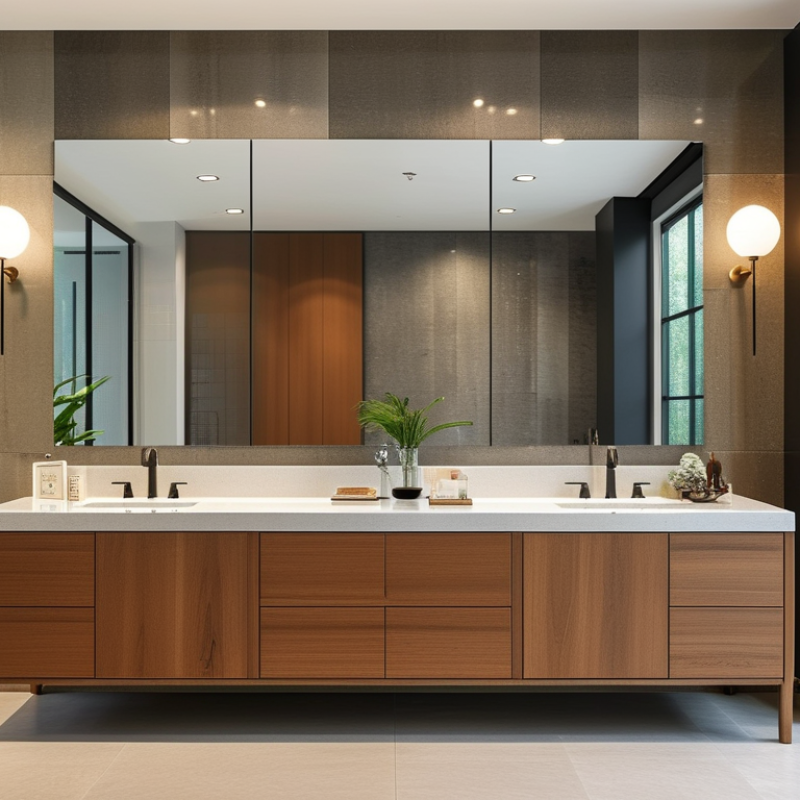
Define Your Bathroom Set Requirements and Project Specifications
Before contacting a bathroom set manufacturer, define exactly what your project must deliver. Start with accurate room measurements, including ceiling height, door clearance, and drainage positions. Record wall lengths, pipe locations, electrical points, and ventilation limits. Small errors can create expensive revisions.
List every required component, such as the vanity, basin, toilet, mirror, shower fittings, and storage units. Specify quantities, preferred dimensions, installation method, and expected delivery date. If the project serves a hotel, apartment building, or private home, state that clearly. Usage levels will influence durability and maintenance needs. Avoid vague terms like “premium” or “modern.” Use measurable descriptions instead.
Material and finish choices affect cleaning, moisture resistance, and long-term appearance. For humid rooms, request corrosion resistance data and clear care instructions. Specify water pressure, temperature range, drainage type, and local plumbing requirements. Accessibility needs should include grab-bar positions, reachable controls, and safe floor clearances. Ask for technical drawings before approving production. Details prevent disputes.
Turn these requirements into a written specification sheet. Include acceptable size tolerances, color references, packaging standards, and inspection points. Request physical samples when finishes matter. Digital images can hide texture differences. Confirm how damaged items will be reported and replaced. A reliable manufacturer should explain testing methods, lead times, and quality records without avoiding difficult questions. Do not hide uncertainty. A project brief that admits missing information can be corrected before manufacturing begins.