How to Choose a Carbide Furnace in 2026?
Choosing a Carbide Furnace in 2026 requires more than comparing purchase prices. The right model must match your material, production target, power supply, and operating environment. A furnace designed for one carbide process may perform poorly in another plant.
Start with the process details. Check the required temperature range, feed size, reaction time, and expected output. Review the furnace’s electrode system, refractory lining, cooling design, and automation controls. These components face intense heat and continuous mechanical stress. Small weaknesses can cause unstable production.
Look closely at energy performance. Ask suppliers for measured consumption data, not only advertising claims. A practical comparison should include electrode use, heat recovery, maintenance hours, and downtime records. Request references from facilities with similar capacity and raw materials. Their experience can reveal problems that brochures often miss.
Safety must guide every decision. Confirm emergency shutdown functions, gas monitoring, ventilation, insulation, and operator access. Verify compliance with applicable industrial standards in your region. Qualified engineers should review electrical loading, foundation strength, and cooling-water protection before installation.
Cost matters, but it is not the whole story. A lower-priced furnace may require more repairs, power, or specialist labor. A premium system may also disappoint if training and spare parts are weak. That point is easy to overlook.
This guide compares the practical factors behind furnace selection in 2026. It cannot predict every plant’s results. Local conditions still matter. Use supplier documents, production records, independent inspections, and experienced technical advice before committing to a final choice.
What Is a Carbide Furnace and What Does It Produce?
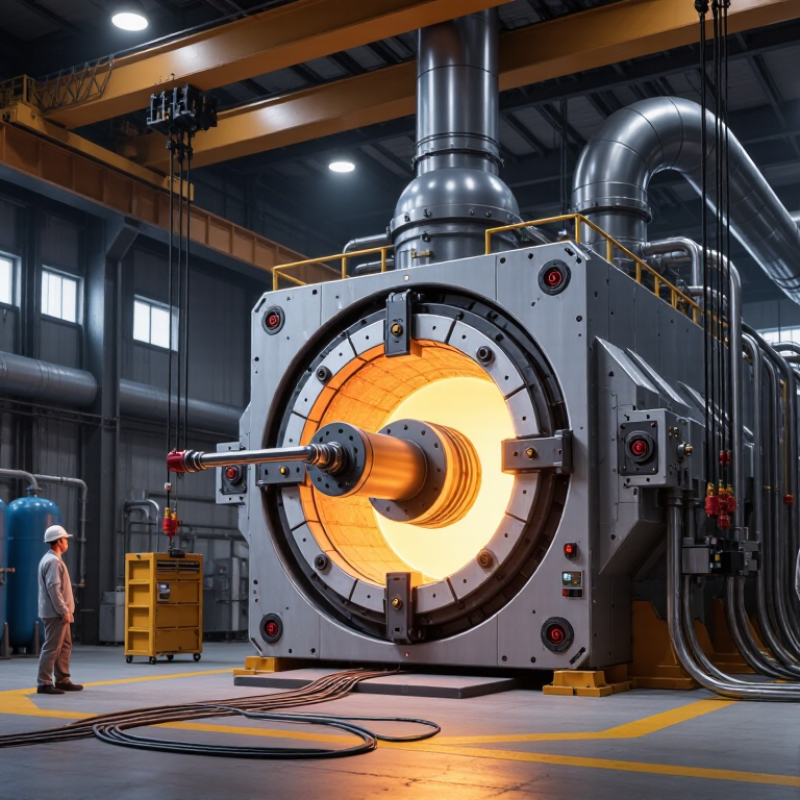
A carbide furnace is a high-temperature electric furnace used to produce calcium carbide from quicklime and carbon materials. Submerged electrodes deliver electrical energy into the charge, creating an intense reaction zone. Chemically, calcium oxide combines with carbon to form calcium carbide and carbon monoxide. The main product is usually tapped as hot, irregular lumps.
Calcium carbide can generate acetylene when it reacts with controlled amounts of water. The furnace also produces carbon monoxide, dust, heat, and a lime-rich slag. These outputs require enclosed gas collection, filtration, monitoring, and proper waste handling.
A dependable furnace keeps the material bed moving evenly. Electrode stability, feed size, moisture, and power control all influence carbide quality. Small changes can matter.
When choosing a carbide furnace in 2026, look beyond its advertised capacity. Check energy consumption, electrode regulation, tapping performance, lining life, and emission controls. Maintenance access deserves attention too. A common plant lesson is simple: stable operation often matters more than peak output. Still, no furnace can compensate for wet carbon or inconsistent lime. That point is easy to overlook. Supplier data may appear exact, but real plant conditions are less predictable. The better choice fits the feedstock, production target, operator skills, and local environmental requirements.