What Is an Electric Floor Mop and How Does It Work?
An Electric Floor Mop is a powered cleaning appliance designed to wash hard floors with less manual effort. It usually combines water application, mechanical scrubbing, and suction in one compact unit. Unlike a traditional mop, it may use rotating rollers, vibrating pads, or spinning brushes to loosen everyday dirt. The motor helps maintain consistent movement across sealed surfaces. Not magic, though. It still needs correct handling.
When the machine starts, a clean-water tank releases a controlled amount of liquid onto the cleaning head. A motorized roller or pad agitates the floor, breaking up footprints, food marks, and thin greasy residue. Some models then vacuum the moisture into a separate recovery tank. This process can leave the surface cleaner and drier than conventional mopping. However, the exact mechanism varies between brands and models. Reading the manual matters.
In practical use, performance depends on floor type, water volume, and cleaning frequency. Sealed tile, vinyl, and finished stone often respond well, but delicate or water-sensitive materials require extra caution. Test an inconspicuous area first. A visible streak can reveal too much solution, a dirty roller, or poor technique. Regularly rinsing the brush, emptying the recovery tank, and drying internal parts can also reduce odors. I have found that convenience sometimes encourages rushed cleaning, which creates its own problems. An Electric Floor Mop saves effort, but it does not replace judgment. This guide explains its main components, working process, realistic benefits, and limitations, so readers can choose and use one more confidently.
What Is an Electric Floor Mop?
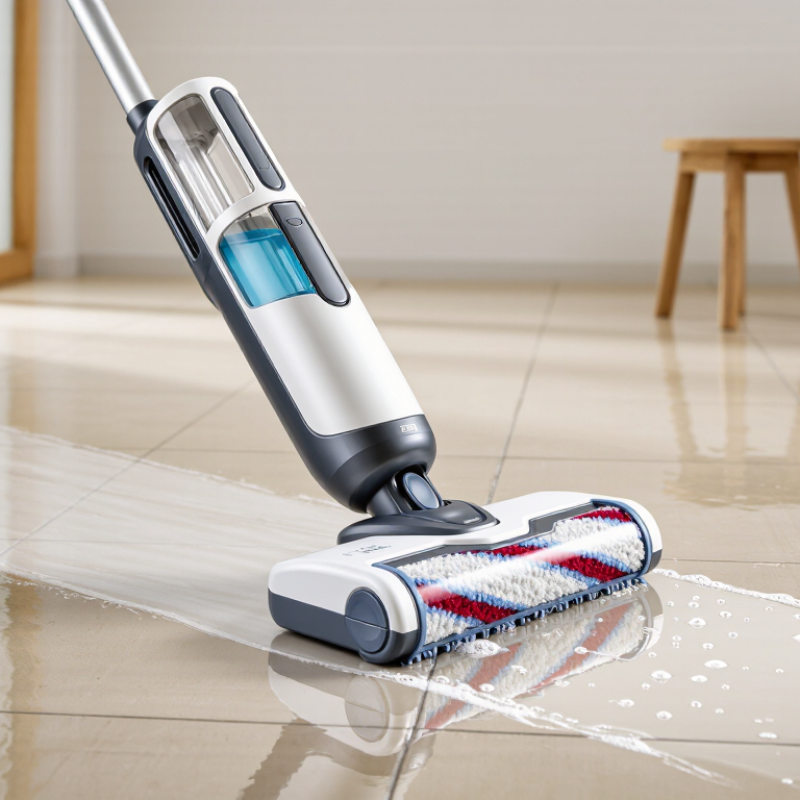
An electric floor mop is a powered cleaning appliance that combines motorized movement with a damp pad, spray system, or suction function. Unlike a traditional mop, it uses electricity to rotate, vibrate, or guide the cleaning head across hard floors. Some models only mop, while others vacuum loose crumbs before wiping.
Its operation is simple but not magical. A rechargeable battery powers a small motor. The motor drives microfiber rollers or oscillating pads, while a water tank releases controlled moisture. The pad lifts softened dirt from surfaces such as tile, sealed wood, and vinyl. Combination machines may collect dirty water in a separate tank, reducing contact with used liquid.
Market data shows why this category is growing. Grand View Research valued the global floor cleaning machines market at about USD 5.7 billion in 2023 and projected continued growth through 2030. Euromonitor International’s 2024 home-care analysis also highlights convenience and time-saving as major household purchase drivers. Still, an electric mop does not replace every cleaning method. Heavy grease may need spot treatment, and excessive water can damage poorly sealed flooring. In my experience, the floor dries faster with controlled spray, but the result depends heavily on pad condition and maintenance. That part is easy to underestimate.