10 Personal Scooter Buying Tips for Global Buyers
Buying a Personal Scooter can change a short commute, but the right choice depends on more than speed and appearance. Global buyers face different roads, climates, charging systems, service networks, and safety requirements. A scooter that performs well on smooth European streets may struggle on uneven roads, steep hills, or wet tropical pavement.
Horace Dediu, a respected micromobility analyst, has said, “Micromobility is about moving people short distances.” That simple idea matters. Buyers should examine real travel needs before comparing impressive specifications. Measure the daily route. Check the hill near home. Consider whether the scooter must be carried up stairs. A heavy model can become frustrating after one rainy week.
This guide presents ten practical buying tips for international customers. It considers battery range, charging time, braking performance, tire design, rider comfort, water resistance, folding size, maintenance access, warranty support, and total ownership cost. It also encourages buyers to verify local requirements and use suitable protective equipment. Specifications can mislead. Claimed range is often measured under ideal conditions, with a light rider and gentle speed. Real use may be different.
Some recommendations will feel obvious. They are still easy to ignore. I have seen buyers focus on motor power while overlooking spare parts and customer support. That mistake can turn a small purchase into a long delay. A careful decision may not produce the fastest scooter, but it can deliver safer, steadier, and more dependable daily travel.
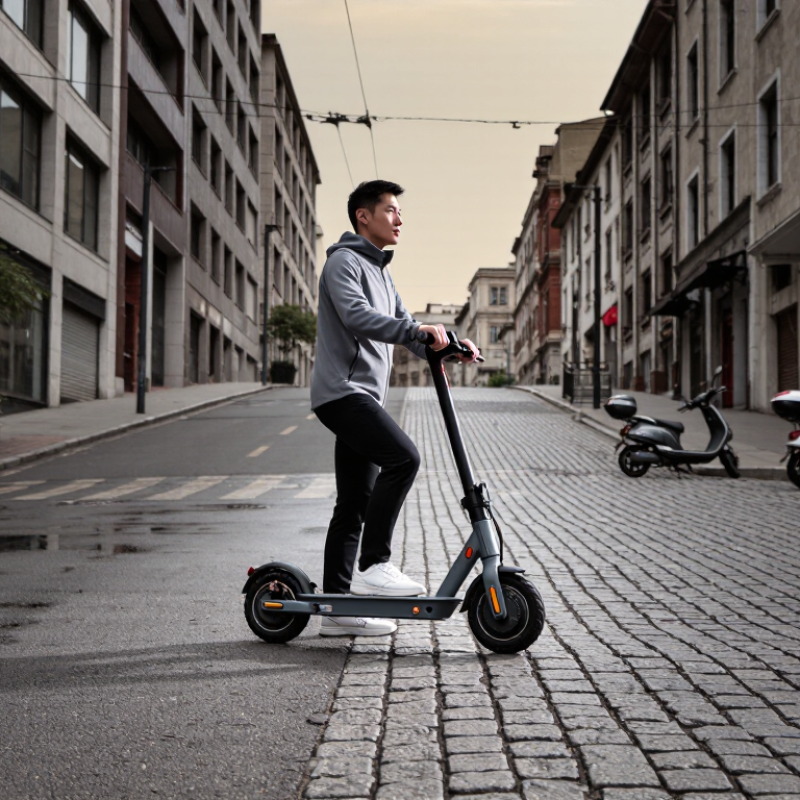
Define Your Personal Scooter Needs and Riding Conditions
Define Your Personal Scooter Needs and Riding Conditions
A personal scooter should match your daily route, not just its advertised speed. Measure your usual distance, road surface, hills, traffic, and available parking space.
A short city commute may need compact handling and reliable braking. Longer journeys demand a comfortable riding position, stable range, and practical charging access.
Test the route mentally, or ride it with a notebook. Record steep slopes, broken pavement, rain exposure, and crowded intersections.
I once underestimated how tiring a narrow deck felt after thirty minutes.
That small detail changed my buying criteria. Consider your height, weight, balance, eyesight, and experience level. Beginners often benefit from predictable acceleration and simple controls.
Weather also changes the decision. Wet roads can reduce grip, while cold temperatures may affect battery performance.
Check the manufacturer’s technical data, but treat range figures as estimates. Your load, speed, temperature, and hills will alter real results. Leave a safety margin instead of planning every trip around the maximum claim.
Think about maintenance before purchasing. Can you inspect the tires, brakes, lights, and folding mechanism regularly? Are replacement parts and qualified service available in your area?
Confirm local equipment rules and helmet requirements before riding.
A scooter that fits your route but cannot be stored, charged, or maintained conveniently may become an expensive inconvenience.