How to Choose a BPA Free Feeding Bottle in 2026?
Choosing a feeding bottle bpa free in 2026 requires more than reading a reassuring label. Parents need evidence, practical testing, and a clear understanding of materials. A bottle may look clean and modern, yet still contain silicone, polypropylene, glass, coatings, or mixed components. Each part deserves attention.
The U.S. Food and Drug Administration explains that BPA has been used in some food-contact plastics and resins. It also recognizes that exposure depends on migration, use, and contact conditions. The European Commission’s 2024 BPA restriction for food-contact materials shows how safety expectations continue changing. These developments make independent testing and traceable manufacturing increasingly important. “BPA-free” is only one checkpoint.
Look for bottles made from clearly identified materials. Check whether the nipple, collar, vent, and cap share the same disclosure. A transparent material list is valuable. So is a recent test report covering BPA, BPS, BPF, heavy metals, and relevant migration limits. Grand View Research’s baby bottle market analysis identifies safety, convenience, and material innovation as major purchasing influences. However, market growth does not prove that every product is safe.
A useful choice must also fit daily life. Can the bottle withstand repeated washing? Does the nipple collapse during feeding? Does the seal leak inside a packed diaper bag? Small failures matter. Parents should compare official instructions with real handling experience. No bottle is perfect. Even careful buyers can overlook a hidden coating or an unclear supplier. The safest approach combines recognized standards, credible documentation, age-appropriate design, and regular inspection for cracks, cloudiness, odors, or loose parts.
What BPA-Free Means and Why It Matters for Infant Feeding
How to Choose a BPA Free Feeding Bottle in 2026?
What BPA-Free Means and Why It Matters for Infant Feeding
BPA stands for bisphenol A, a chemical once used in some hard plastics and can linings. It can migrate into food or drinks under certain conditions. Infants deserve extra care because their bodies are still developing. Choosing a BPA-free bottle reduces one avoidable exposure during daily feeding. It does not mean the bottle contains no chemicals. That distinction matters.
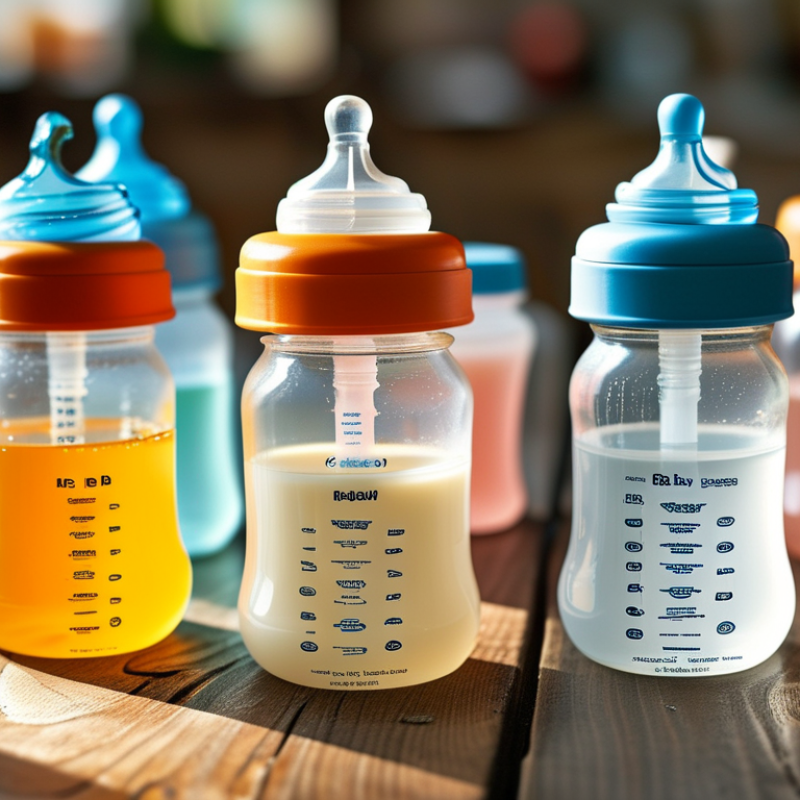
Look for clear BPA-free labeling and complete material information. Polypropylene, silicone, glass, and stainless steel are common options. Each has practical limits. Glass resists odors but can break. Silicone feels soft but may hold milk smells. Plastic is lighter, yet scratches can collect residue. Check the feeding temperature and sterilization instructions. Excessive heat may damage some materials.
Small details matter.
A cloudy bottle, deep scratch, cracked nipple, or loose seal deserves attention. Replace damaged parts instead of stretching their use. I once assumed “BPA-free” meant automatically safer, but that was too simple. The label addresses one chemical, not cleaning quality, design, or durability. Reliable manufacturers should provide contact information, care guidance, and testing details for food-contact use. If information is vague, pause before buying. A bottle should be easy to inspect, clean, and hold securely during a tired midnight feeding.