How to Choose the Best Drone Detector for Your Needs?
Choosing the right Drone Detector requires more than comparing detection range or buying the highest-priced model. The correct choice depends on your site, risk profile, operating environment, and response capacity. A busy airport perimeter needs different coverage from a warehouse roof or a public event venue. Begin with the real question: what must the system detect, and how quickly must staff understand the alert?
Industry evidence supports careful planning. The FAA’s Aerospace Forecast Fiscal Years 2025–2045 describes continued expansion in unmanned aircraft activity and the need for safe integration into national airspace. EASA’s Annual Safety Review 2024 also highlights the growing importance of managing unmanned aircraft risks through stronger awareness, procedures, and technology. These reports do not suggest that one device fits every location. They point toward layered, risk-based decisions.
Performance details matter. A detector should be evaluated for radio-frequency coverage, protocol recognition, detection range, update speed, weather tolerance, and integration with approved monitoring systems. Ask how it behaves beside metal structures, Wi-Fi networks, trees, and crowded urban signals. False alarms are costly. Missed alerts are worse. No detector is perfect.
A practical evaluation should include supervised field testing at different times of day. Record alert accuracy, battery or power requirements, operator workload, and maintenance needs. Check whether the supplier publishes test methods, limitations, firmware policies, and independent validation. NIST’s guidance on trustworthy measurement and system evaluation offers a useful mindset: measurable performance is more reliable than marketing language. The final decision should support lawful, proportionate, and safety-focused operations. Even experienced teams can overlook blind spots. This guide helps expose them.
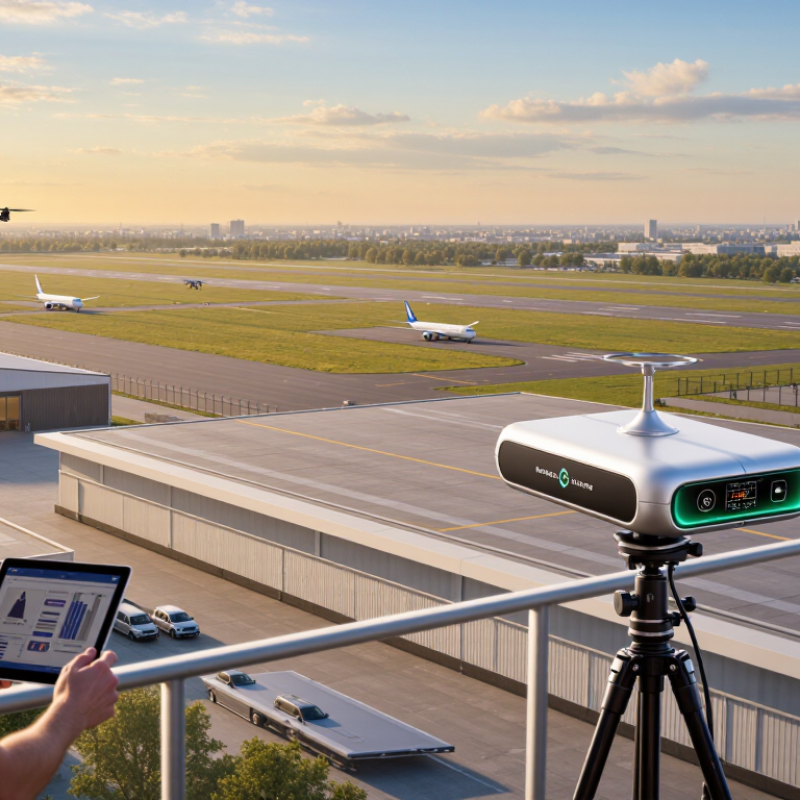
Define Your Drone Detection Needs and Operating Environment
Begin by defining what you need to detect and where detection will happen. A quiet warehouse differs greatly from an open sports field. Measure the site, note nearby buildings, and record common radio interference. Decide whether you need early warnings, location tracking, or simple alerts. Your response team may need several minutes to verify an alert safely.
Detection range should match the real operating environment, not an ideal laboratory. Weather, walls, terrain, and network coverage can change performance. Ask for tested results under conditions similar to yours. I have found that clear alert details matter more than impressive range figures. An alert showing time, direction, and confidence level supports better decisions.
Do not overlook installation and maintenance. A detector that requires constant adjustment may fail during a busy event. Check power options, data storage, software updates, and staff training needs. You may also need several sensors for larger or obstructed areas. That costs more. Still, one poorly placed unit can create false confidence. Run a supervised trial, review the records, and revise your requirements before making the final choice.