How to Choose the Right Singing Bowl for Your Needs?
Choosing the right Singing Bowl is not simply a matter of size, color, or price. It is a practical decision involving sound, weight, materials, and personal use. A bowl that feels warm and resonant in a quiet studio may sound harsh in a small bedroom. Try it in the space where you will actually use it.
Market evidence also requires careful reading. The Global Wellness Institute reported that the global wellness economy reached $5.6 trillion in 2022. Its research includes meditation, mental wellness, and complementary practices, but it does not measure Singing Bowl sales separately. That limitation matters. Industry estimates can suggest growing interest, yet they should not replace direct listening and testing.
Peter Hess, founder of the Peter Hess Academy, has written, “The sound of the singing bowl touches our innermost being.” His perspective highlights why personal response matters. A professional buyer should examine sustain, vibration, tone clarity, and playing comfort. Hold the bowl gently. Strike it softly. Notice whether the vibration feels steady against your palm.
Some bowls sing brightly. Others produce deeper, slower tones. Neither is automatically better. A beginner may prefer a medium bowl with a stable fundamental note. A sound practitioner may need several tones for layered sessions. Hand-hammered bowls can show small marks, uneven rims, or subtle differences. These are not always defects, though they can affect performance.
The honest choice may take time. Online descriptions are useful, but incomplete. Listen before committing whenever possible. Your ideal Singing Bowl should support your purpose, room, technique, and comfort—not merely follow a trend.
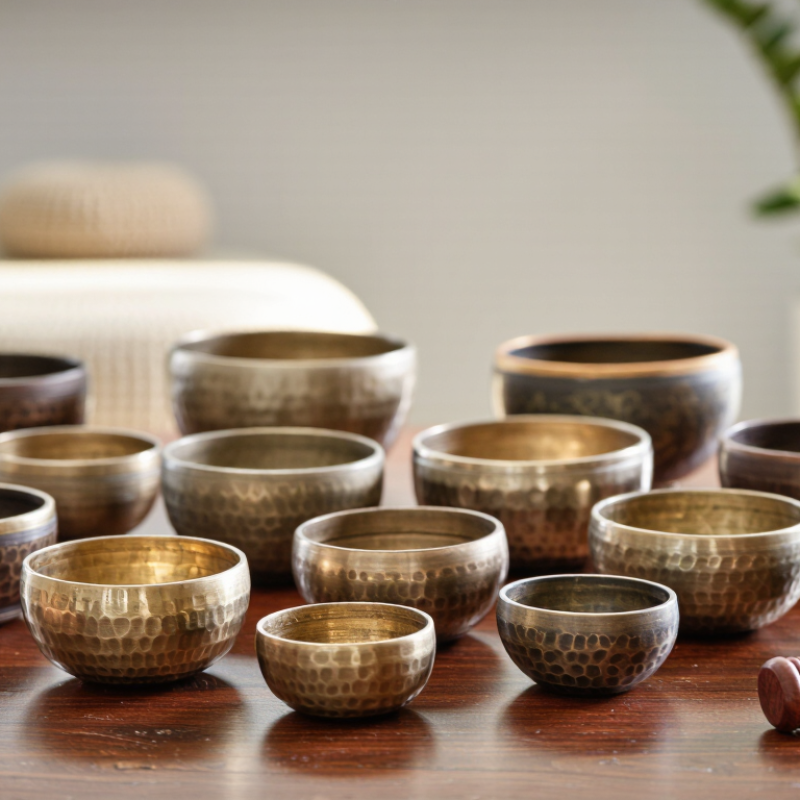
Define Your Purpose for Using a Singing Bowl
Before choosing a singing bowl, define what you want it to do. A bowl for quiet meditation may need a soft, steady tone. A bowl for group sound practice should project clearly across the room. If you want a grounding ritual, choose a tone that feels comfortable, not merely impressive in a recording.
Test the bowl in person when possible. Place it on a flat cushion and strike it gently near the rim. Notice the first tone, the fading sound, and any harsh vibration. A seven-inch bowl may suit personal practice, while a larger bowl can create stronger resonance. Size alone does not determine quality. The bowl’s shape, thickness, and striker also affect its voice.
Keep your intention practical. For breathwork, a predictable sustain can help mark slow pauses. For relaxation, avoid a tone that feels sharp or distracting. Experienced sound practitioners often recommend listening with eyes closed, because appearance can influence judgment. I once preferred a bright bowl in a shop, then found its high pitch tiring after ten minutes. That changed my selection method.
Try it longer.
A qualified meditation teacher or acoustics professional can offer useful guidance, but personal comfort remains important. Singing bowls are not medical treatments, and their effects vary between people. If the bowl will be used around children, older adults, or people sensitive to sound, keep the volume gentle and ask before playing. Your purpose may change over time, so leave room for that possibility.