Why Should Schools Invest in Quality Study Furniture?
Quality Study Furniture is more than a row of desks and chairs. It shapes how students sit, write, read, and stay focused through a long school day. Yet its value is easy to overlook until a chair wobbles, a desk feels cramped, or students keep shifting to find a comfortable position.
The OECD’s PISA 2018 report found that, across OECD countries, about one in four students attended schools whose principals reported that poor building conditions hindered instruction. The finding concerns school infrastructure broadly, not furniture alone. Still, it highlights a practical point: the spaces around learning deserve attention. Ergonomics researcher and Cornell professor Alan Hedge is widely associated with the advice, “The best posture is the next posture.” That idea supports flexible, well-fitted furniture—not a promise that one chair will solve every classroom problem.
Investing in durable, adjustable Study Furniture can help schools create rooms that better fit students’ varied heights, tasks, and daily routines. Look closely at the details: stable legs, smooth desk edges, reachable storage, and chairs that allow natural movement. These choices may reduce avoidable discomfort and make classrooms easier to maintain. They do not guarantee higher grades. That distinction matters. A thoughtful purchase should be guided by student feedback, ergonomic standards, maintenance records, and the realities of each room. Even good furniture can be poorly matched to a class. Schools should review fit after installation, not assume the job is done.
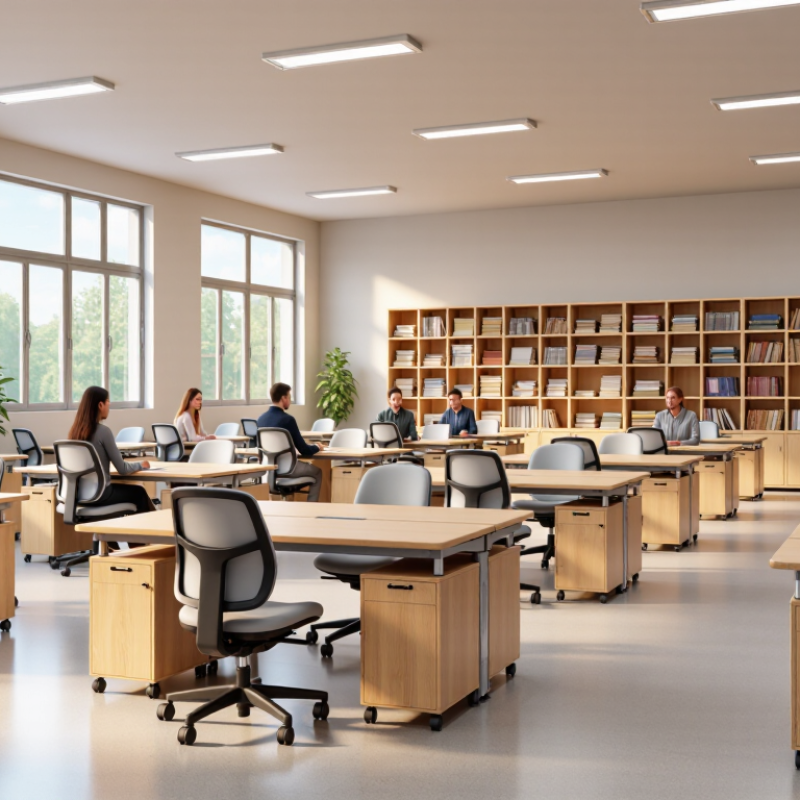
What Quality Study Furniture Includes
Quality study furniture is more than a desk and chair. It includes stable desks, supportive seating, accessible storage, and finishes that can withstand daily use. A desk should leave room for an open book, a notebook, and a laptop without crowding the student’s elbows. Smooth edges and a steady frame matter, especially when furniture is moved often. Small details matter.
A suitable chair lets students place both feet on the floor, with knees bent comfortably and shoulders relaxed. Adjustable seat height helps accommodate different students, though one adjustment range may not fit everyone. Storage should keep frequently used supplies within reach without turning the work surface into a pile. Cubbies, drawers, and shelves each serve different needs; labels and clear access can make them easier to use.
Quality also depends on materials and maintenance. Surfaces that wipe clean and hardware that can be tightened may extend useful life. Check that desks do not wobble on the actual classroom floor, not only in a showroom. Fit matters, too. A compact desk may suit a small room, yet leave little space for group projects. Schools should consider student ages, room layouts, and daily routines before choosing furniture. It is easy to focus on appearance and overlook comfort after a long lesson.