7 Tips for Buying Crystal Cat Litter in Bulk
Buying Crystal Cat Litter in bulk can reduce shopping trips and lower the cost per bag. However, the largest package is not always the best value. Storage space, product quality, and your cat’s habits all matter.
A practical buying decision starts with the label. Check the litter’s ingredients, particle size, dust-control claims, and recommended disposal instructions. Compare the net weight, not just the package price. A ten-dollar bag may cost more per kilogram than a larger option. Look for sealed packaging, clear manufacturing information, and a trustworthy seller. Damaged bags or moisture exposure can affect texture and performance.
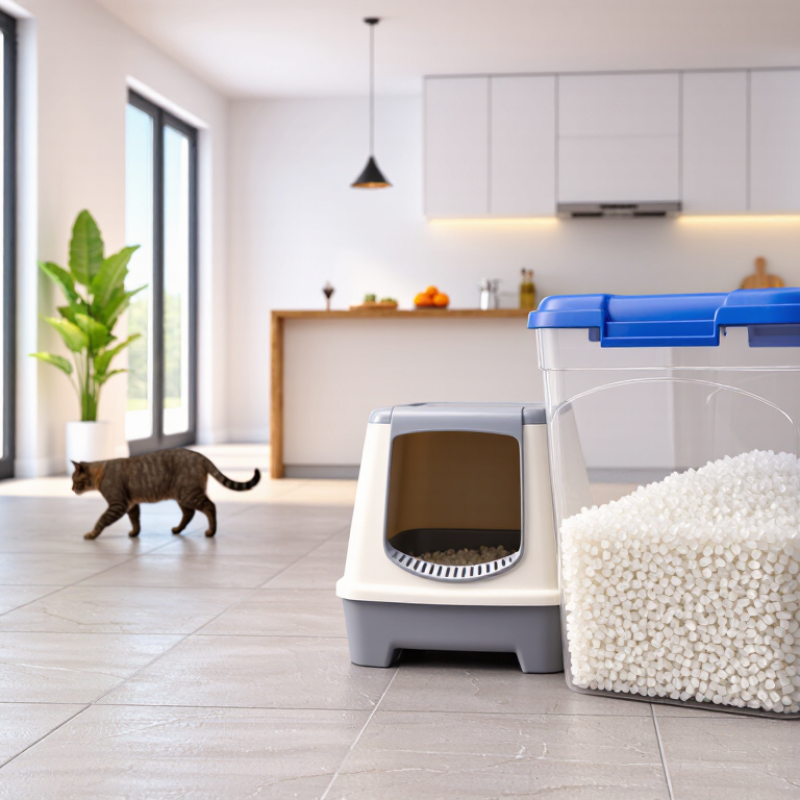
Your cat’s response matters most. Some cats accept fine crystals quickly, while others dislike the texture under their paws. Introduce a new product gradually, mixing a small amount with the familiar litter. Watch for changes in bathroom habits, tracking, dust, or unusual avoidance. Keep bulk supplies in a cool, dry place, away from food and children. A sealed plastic container can help prevent moisture and odors, but it should remain easy to open and clean.
Personal experience can reveal problems that product descriptions miss. A bulk purchase may seem economical, yet unused litter can become inconvenient if your cat rejects it. Veterinary guidance is sensible when a cat suddenly avoids the box or shows discomfort. These seven tips will help you assess Crystal Cat Litter more carefully, balance convenience with safety, and avoid buying more than your household can realistically use. Needs can change. That is worth remembering.
Define Your Cat’s Crystal Litter Needs
Before buying crystal cat litter in bulk, define how your cat actually uses the box.
A single indoor adult cat needs a different supply than three cats sharing two boxes. Track litter use for two weeks. Record box size, refill frequency, odor, urine volume, and scattered crystals.
This simple log prevents a common mistake: purchasing a large quantity before testing tolerance. In my experience, low-dust litter can still feel unpleasant if crystals stick to damp paws.
Crystal litter absorbs liquid and helps control odor, but it does not suit every cat. Some cats dislike its firm texture or faint crunch under their feet.
Watch for avoiding the box, digging less, or urinating beside it. Those signs may reflect litter aversion, poor box placement, or a medical issue.
A veterinarian should assess persistent urination changes, straining, blood, or unusual thirst. Don’t guess here.
For kittens, senior cats, and cats with sensitive paws, choose comfort over maximum absorbency.
Estimate your bulk quantity from daily use, not the package’s impressive size. Keep one unopened container as a backup, and store the rest in a dry, sealed area.
Moisture can reduce performance before the litter reaches the box.
I once overbought during a sale and ignored my cat’s dislike of sharp-feeling crystals. That decision wasted money and created avoidable stress. A smaller trial may be wiser, even when the unit price looks attractive.