Top Tips for Choosing a Van with Wheelchair Lift?
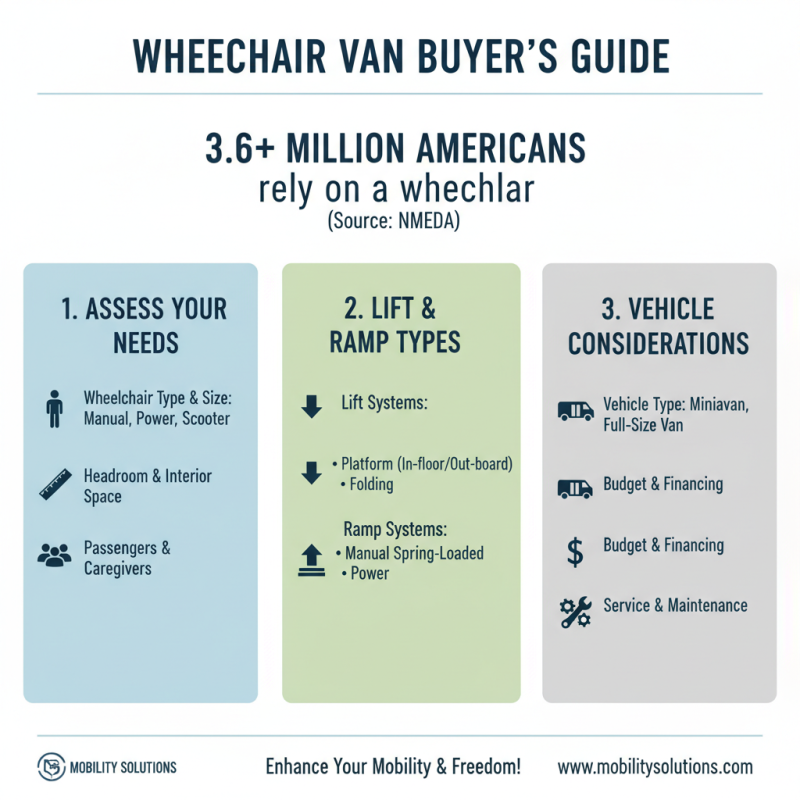
Choosing the right van with wheelchair lift can significantly impact mobility and independence for individuals with disabilities. According to a recent report from the National Mobility Equipment Dealers Association (NMEDA), approximately 3.6 million Americans use a wheelchair for mobility. This statistic highlights the importance of accessible transportation options, making informed choices crucial for potential buyers.
"Selecting a van with a wheelchair lift is about more than just the lift itself," says industry expert John Smith, a consultant with over 20 years of experience. He emphasizes that features like interior space, drivetrain options, and safety features are essential to consider. Buyers must also evaluate specific needs, which can vary widely among users.
While there are numerous good options available, not every van meets every requirement. For instance, some may not provide ample space for a secure wheelchair fit. A thorough understanding of individual needs and available features can create a more effective and comfortable experience.

Understanding Your Wheelchair Accessibility Needs
When it comes to selecting a van equipped with a wheelchair lift, understanding your accessibility needs is crucial. According to the National Mobility Equipment Dealers Association, over 3.6 million Americans rely on a wheelchair for mobility. Thus, ensuring that your chosen vehicle meets specific requirements can greatly enhance your quality of life.
Consider the dimensions of your wheelchair. Will it fit comfortably in the van? The width and height are essential to ensure easy access. Think about your lifestyle too. Do you need space for a caregiver or other passengers? These factors should influence your decision.
Tips for choosing the right van include measuring the entry height. The lift should not only be functional but also user-friendly. Look for features like non-slip surfaces for safety. In terms of weight capacity, a robust lift is essential. However, balance efficiency with your daily needs. Sometimes, a smaller lift can serve you better, even if it seems like a compromise. Each choice should reflect your personal requirements and comfort level.
Types of Wheelchair Lifts and Their Features
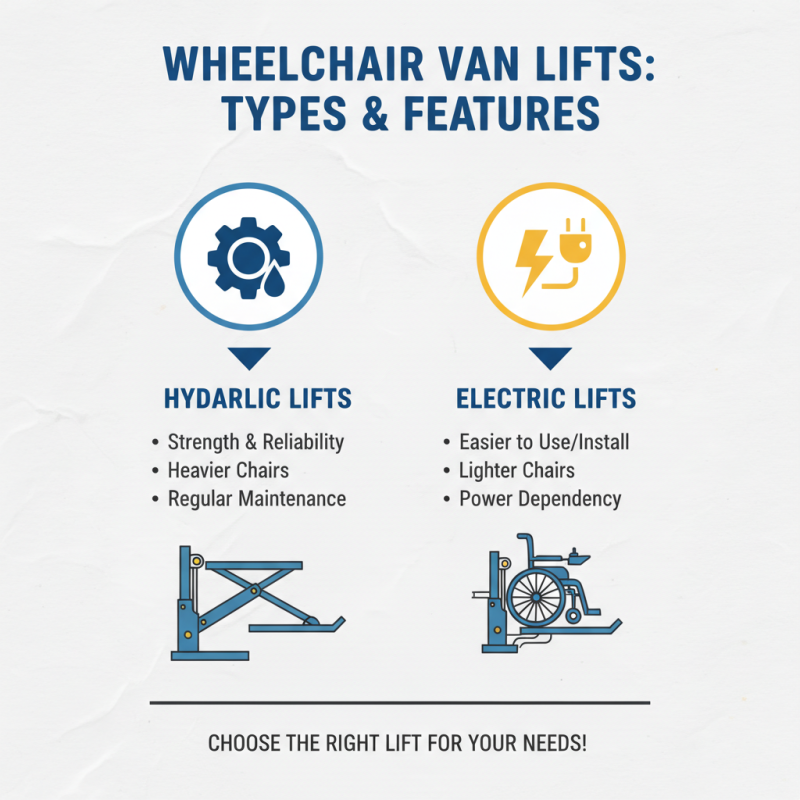
When choosing a van with a wheelchair lift, understanding the types and features of lifts is essential. Two main types are hydraulic lifts and electric lifts. Hydraulic lifts are known for their strength and reliability. They can handle heavier wheelchairs safely. However, they often require regular maintenance. Electric lifts, on the other hand, are generally easier to use and install, but they may have power dependency issues.
Consider the lift's weight capacity carefully. Not all lifts are built to accommodate large or motorized wheelchairs. Ensure the lift can support your specific needs. Some lifts fold into the van, saving space. Others stay on the exterior, which can affect aesthetics. Think about how frequently you'll use the lift. Frequent users might prefer systems that simplify operation.
Tips: Make sure to test the lift before purchasing. Ensure it feels comfortable and secure. Check for additional features like safety rails or non-slip surfaces. They are not always included, but can greatly enhance safety. Assessing your individual needs is paramount. A suitable lift can make a world of difference in daily usability.
Evaluating Van Specifications and Compatibility
When evaluating van specifications, it’s crucial to consider the lift's weight limit. This determines how much the lift can handle. A lift that can only support lighter wheelchairs may not be suitable for all users. Check what each lift supports. Sometimes, users may need heavier equipment. Overloading can lead to failures or accidents.
Compatibility with existing aids is another key factor. Ensure the van accommodates any additional devices, like mobility scooters or other assistive technologies. The space inside the van is just as important as the lift. Measure the dimensions of both the lift and your wheelchair. You may think everything fits, but tight spaces can cause issues.
Wheelchair access routes should also be smooth and clear. Look at where the lift is positioned. Poor placement can hinder entry and exit. It’s easy to overlook small details. An inconvenient lift might add stress, even causing safety concerns. Always aim for a setup that simplifies mobility rather than complicates it.
Top Tips for Choosing a Van with Wheelchair Lift
| Specification |
Details |
| Van Size |
Full-Size or Mid-Size |
| Weight Capacity |
Minimum 800 lbs for lift operation |
| Lift Type |
Platform or Foldable |
| Ramp Angle |
Not exceed 30 degrees for safety |
| Access Width |
Minimum 32 inches for wheelchair passage |
| Interior Height |
Minimum 56 inches for wheelchair user |
| Safety Features |
Braille controls, safety straps, and emergency stop |
| Seating Configuration |
Adjustable to accommodate different needs |
| Warranty |
Minimum 2 years for lift and vehicle |
Assessing Safety Features and Regulations
When selecting a van with a wheelchair lift, safety features should be a primary concern. According to the National Highway Traffic Safety Administration, nearly 40% of all fatal accidents involve vans. Evaluating the vehicle's structural integrity is crucial. Look for reinforced frames and crumple zones that protect passengers during collisions. Safety regulations often mandate specific design tests, but it’s vital to assess if a vehicle goes beyond the legal minimum.
Inspect the lift system itself. The lift should have a weight capacity that exceeds the needs of the user. Typically, lifts should accommodate at least 800 pounds. More than 25% of wheelchair users report issues with lift stability, underscoring the necessity for reliable mechanisms. Verify that the lift includes safety features, such as automatic locking systems and non-slip surfaces, to prevent accidents during transitions.
Consider additional safety elements like airbags, anti-lock brakes, and traction control. While these features are common, not all vans may comply with current safety standards. Research shows that vehicles lacking these systems face a higher risk of accidents. Always consult the latest safety ratings from reputable organizations to ensure your choice protects all occupants. Flaws in design can lead to safety oversights, so prioritize thorough inspections and studies before making a decision.
Considering Budget and Financing Options for Your Van
When considering a van with a wheelchair lift, budget is crucial. Assess your financial situation carefully.
Determine how much you can afford to spend upfront. Include all associated costs, like insurance and maintenance.
Look into financing options that can help make your choice easier. Some options may include loans or leasing.
Compare interest rates from various financial institutions. This process can be overwhelming, especially when unexpected expenses arise.
Sometimes, the initial costs can distract from longevity and reliability.
It’s essential to think long-term. You may need to save for ongoing maintenance costs.
Weighing your choices carefully can lead to better decisions.
Avoid rushing into a purchase that may not fit your needs over time.
Think beyond the immediate benefits.