China Top 10 Cool Box Manufacturers for Global Buyers
Choosing reliable Cool Boxes for international distribution requires more than comparing prices and glossy product photos. Global buyers need evidence of insulation performance, food-safe materials, hinge durability, drainage design, and consistent production capacity. A strong manufacturer should also provide clear test data, responsive communication, and practical customization options. These details matter when a box sits inside a delivery van at 35°C, or beside a fishing boat for an entire morning.
Outdoor industry pioneer Yvon Chouinard once said, “The more you know, the less you need.” His principle fits the cool-box market surprisingly well. Buyers who understand ice retention, wall thickness, gasket quality, and loading space can avoid paying for unnecessary features. Simple construction often performs better. Sometimes.
This guide introduces China’s top 10 Cool Boxes manufacturers for global buyers. The selection considers manufacturing experience, product range, export capability, quality systems, and design flexibility. It also examines less visible concerns, including sample consistency, packaging strength, replacement parts, and after-sales support. A factory may offer an impressive catalog but struggle with small trial orders. Another may produce excellent hard coolers yet lack dependable documentation. That difference can affect an entire supply chain.
The list is not a permanent ranking. Market conditions, materials, certifications, and factory performance can change. Buyers should still request samples, inspect production details, and verify current capabilities before committing. A careful review may take longer. It usually costs less than correcting a failed shipment.
What Defines a Leading Cool Box Manufacturer in China
A leading cool box manufacturer in China is defined by more than attractive prices or polished product photos. The real test appears in the factory, where materials, production control, and testing procedures meet daily demands. Experienced buyers should inspect insulation thickness, lid alignment, hinge strength, and drainage design. A box may look solid, yet lose cooling performance through a poorly sealed rim.
Reliable manufacturers use documented material specifications and stable production methods. Food-contact surfaces should have clear material records and appropriate compliance documentation for the target market. Thermal testing should show measurable results under stated conditions, including ambient temperature, ice load, and testing duration. Without this information, “keeps cold for hours” means very little.
Quality control also matters after the first sample. Strong suppliers perform leak tests, drop checks, compression tests, and random inspections before shipment. They can explain acceptable tolerances instead of promising perfection. That honesty is valuable. No production line is flawless, and small defects can still escape inspection. A thoughtful manufacturer records complaints, studies root causes, and improves the next batch. Buyers should request sample approval, packaging details, spare-part support, and realistic lead times. These details reveal operational experience better than a sales presentation. A leading supplier listens carefully, answers with evidence, and remains accountable when conditions change.
Key Product Types and Features Offered by Chinese Manufacturers
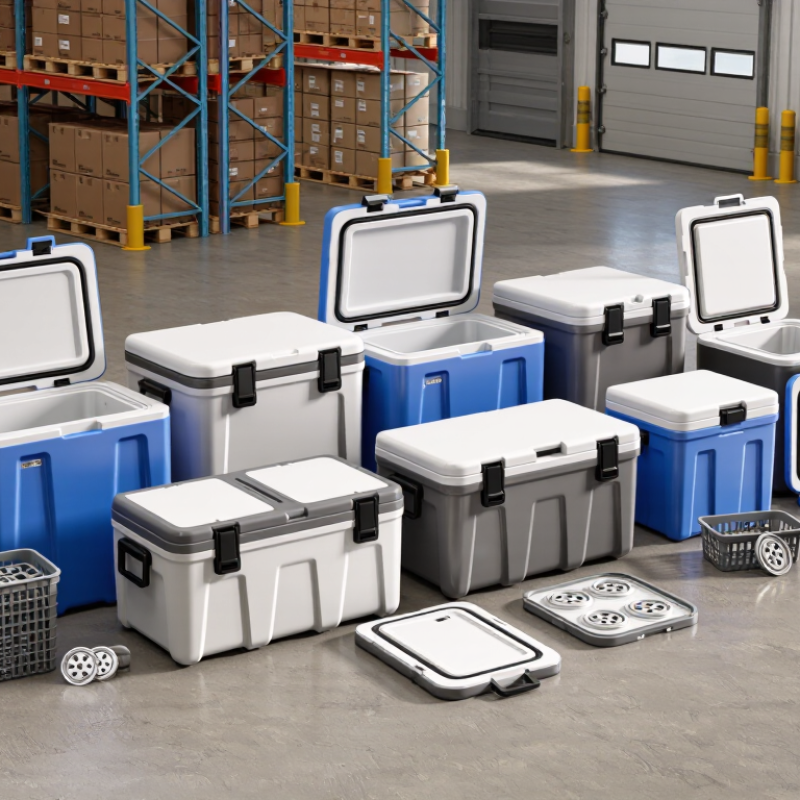
Chinese manufacturers offer several cool box types for global buyers, each suited to different transport needs. Hard-shell boxes use molded plastic walls, thick insulation, and firm sealing gaskets. They suit camping, fishing, catering, and outdoor delivery. Soft-sided coolers reduce weight and fold more easily. Many include adjustable shoulder straps, exterior pockets, and removable liners.
Electric cool boxes provide active cooling through vehicle plugs or household power adapters. Some models offer both cooling and warming functions, though performance varies by ambient temperature. Passive insulated boxes remain simpler and more reliable for short trips. Buyers should check wall thickness, liner material, hinge strength, drain design, and handle comfort. Small details matter.
Chinese factories can also produce medical and food-transport containers with tighter temperature-control requirements. Useful features include digital displays, reusable ice packs, foam insulation, and tamper-resistant lids. In practical sourcing work, I recommend requesting samples before approving large orders. Test them after repeated opening, rough handling, and several hours in heat. Ask for material declarations, thermal test records, and clear production tolerances. Claims need evidence. A box may look durable but develop lid gaps after limited use. That weakness is easy to miss during a showroom inspection. Packaging quality also deserves attention, because crushed corners can damage otherwise suitable products during international shipping.
China’s Top 10 Cool Box Manufacturers for Global Buyers
China’s Top 10 Cool Box Manufacturers for Global Buyers
China’s leading cool box manufacturers serve camping, fishing, catering, medical transport, and outdoor retail markets. The strongest suppliers usually offer rotomolded, injection-molded, and insulated soft-box designs. Buyers should compare insulation thickness, gasket quality, hinge strength, and drainage details. A box may look durable, yet a weak latch can fail after repeated opening. Factory experience matters here. Ask for production photos, material specifications, and test reports before placing a large order.
Reliable manufacturers normally provide samples, packaging options, logo services, and quality checks before shipment. They should explain cooling-time results under clear testing conditions. “Keeps ice for several days” means little without temperature, load, and weather details. Check the sample for uneven walls, sharp edges, loose handles, and odor from the interior plastic. Product data can be incomplete. That is worth questioning, not ignoring.
Tips: Request one sample first. Test it outdoors. Measure internal temperature with a data logger. Confirm minimum order quantities, lead times, carton strength, and replacement policies in writing. Review factory audits and communicate with a technical contact, not only a sales representative. A supplier may offer a lower price, but thinner insulation could increase returns. Recheck every detail before approval.
Export Services, Certifications, and Buyer Selection Factors
China Top 10 Cool Box Manufacturers for Global Buyers
Export Services, Certifications, and Buyer Selection Factors
Global cool box demand is rising with outdoor recreation, food delivery, and pharmaceutical distribution. Grand View Research estimates the global cooler market reached about USD 1.97 billion in 2023, with continued growth through 2030. For buyers comparing China’s top ten manufacturers, export capability matters as much as insulation performance. A reliable supplier should provide commercial invoices, packing lists, certificates of origin, and accurate HS-code support. Small documentation errors can delay a full container.
Ask for measurable evidence. Temperature-retention tests should state starting temperature, ambient conditions, test duration, and load arrangement. For food-contact parts, request material declarations and testing aligned with applicable FDA or European food-contact requirements. Electrical accessories may require additional safety and electromagnetic testing. ISO/IEC 17025 laboratory reports are more useful than unsupported “quality certificates.” A polished catalog is not proof.
Packaging also deserves attention. The International Safe Transit Association’s testing principles show why drop, vibration, and compression tests matter during international transport. Export services should include pallet planning, carton markings, moisture protection, and pre-shipment inspection. I would compare defect rates, response time, spare-part support, and warranty terms, not only factory price. Certifications can expire, and translated documents can be incomplete. Ask for current copies, traceable report numbers, and production samples before signing. One overlooked detail can cost more than the cooler itself.