Top China Motorcycle Ebike Manufacturers for Global Buyers?
For global buyers, choosing a Chinese Motorcycle Ebike manufacturer requires more than comparing catalog prices. The right supplier should combine engineering capability, stable production, transparent communication, and dependable after-sales support. This guide examines manufacturers serving export markets and explains what buyers should verify before ordering. Factory experience matters, but it is not enough. A polished showroom can hide weak quality control. Details matter. We will examine frame welding, motor performance, battery management, braking systems, waterproofing, and spare-parts availability. Product photos rarely reveal these details clearly. Samples should be tested on roads, slopes, and uneven surfaces, not only inside a warehouse.
Reliable sourcing also depends on evidence. Buyers should request factory audit records, product test reports, battery safety documentation, and clear warranty terms. Regional requirements differ, so importers must confirm vehicle, electrical, labeling, and recycling rules with qualified local advisers. A responsible manufacturer will discuss these requirements openly instead of promising universal compliance. That sounds simple. It is not always simple. Minimum order quantities, custom tooling, shipping damage, software settings, and replacement batteries can change the real purchase cost. We will compare supplier strengths, export experience, customization options, production capacity, and communication quality. We will also identify information requiring independent verification. No manufacturer should be trusted only because it is large or inexpensive. Careful buyers protect riders, dealers, and their reputation by testing claims before signing a contract.
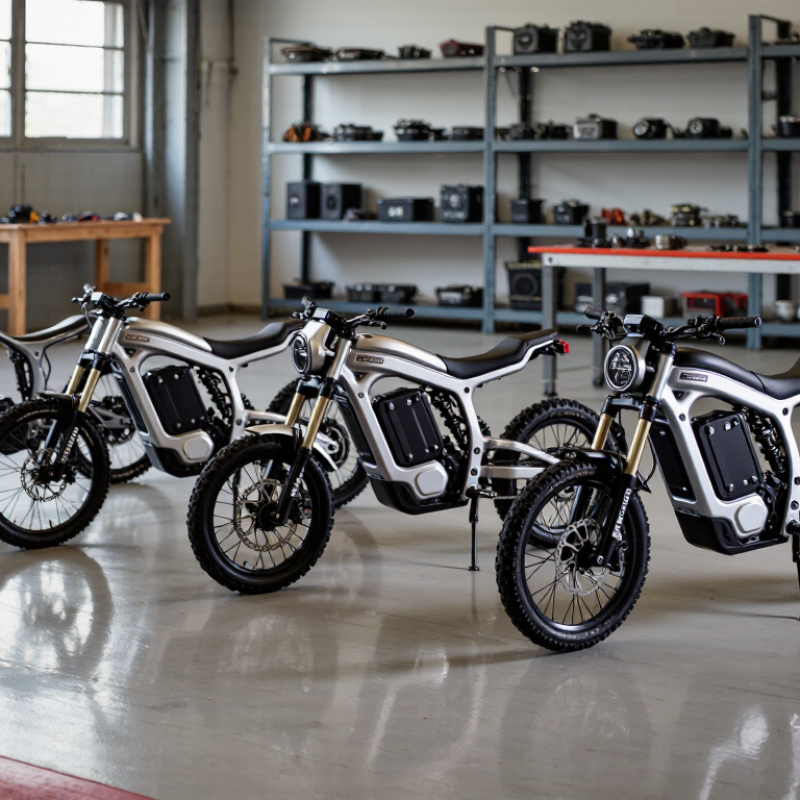
What Defines a Top Chinese Motorcycle E-Bike Manufacturer?
What Defines a Top Chinese Motorcycle E-Bike Manufacturer?
A top Chinese motorcycle e-bike manufacturer is defined by evidence, not factory size. The International Energy Agency’s Global EV Outlook 2024 reports that electric two- and three-wheelers remain the world’s most electrified road vehicles, with sales approaching 10 million units in 2023. This growth demands more than attractive pricing. Serious manufacturers document battery safety tests, motor efficiency, water resistance, and production traceability. They also understand target-market type approval, electromagnetic compatibility, and transport requirements such as UN 38.3.
Look for a supplier that shares test records, not only polished photographs. ISO 9001 helps, but it does not prove every vehicle is reliable. Ask for sample inspection reports, charger certifications, warranty procedures, and spare-parts plans. A useful factory should explain real-world range at different loads, temperatures, and road conditions. Claimed range can be optimistic. Sometimes, too optimistic. That deserves careful questioning.
Tips: Request a production sample before a large order. Check welds, wiring protection, brake response, display accuracy, and battery identification labels. Test climbing performance with realistic rider weight. Review independent inspection results and confirm whether software updates remain available after delivery. The IEA notes that battery costs and charging access strongly influence electric vehicle adoption, so examine replacement pricing and charging compatibility. A manufacturer that answers difficult questions clearly is often more dependable than one offering the lowest quotation. Industry experience suggests small details matter: connector sealing, packaging strength, and response time after a fault. None feels impressive during a showroom visit. Each can shape long-term ownership.