What Are the Top China Passenger Cart Manufacturers?
Choosing the right Passenger Cart manufacturer in China requires more than comparing prices or browsing polished product photos. Buyers must examine engineering quality, production experience, battery systems, customization options, and after-sales support. A reliable manufacturer should explain its testing process clearly, provide consistent technical documents, and demonstrate how its carts perform in real environments.
This guide explores leading China Passenger Cart manufacturers and the strengths that may separate one supplier from another. It considers airport transfers, resorts, hotels, factories, campuses, and other passenger transport applications. Details such as seating capacity, turning radius, charging time, frame materials, weather protection, and maintenance access can affect daily operating costs.
Small details matter.
The evaluation also considers manufacturing transparency. Factory visits, sample inspections, reference projects, and communication quality can reveal more than advertising claims. Certifications and safety documentation should be checked against the buyer’s destination requirements, rather than accepted without question. Some manufacturers offer impressive customization, but excessive options may complicate repairs or delay delivery.
No supplier is perfect.
Performance can vary between models, batches, and operating conditions. A cart that works well on flat resort paths may struggle on steep industrial routes or uneven outdoor surfaces. This article therefore balances manufacturer reputation with practical evidence, helping buyers develop a more realistic shortlist. The goal is not to name one universal winner, but to identify suppliers that offer dependable value, clear communication, and suitable long-term support.
What Is a Passenger Cart and How Is It Used in China?
What Are the Top China Passenger Cart Manufacturers?
What Is a Passenger Cart and How Is It Used in China?
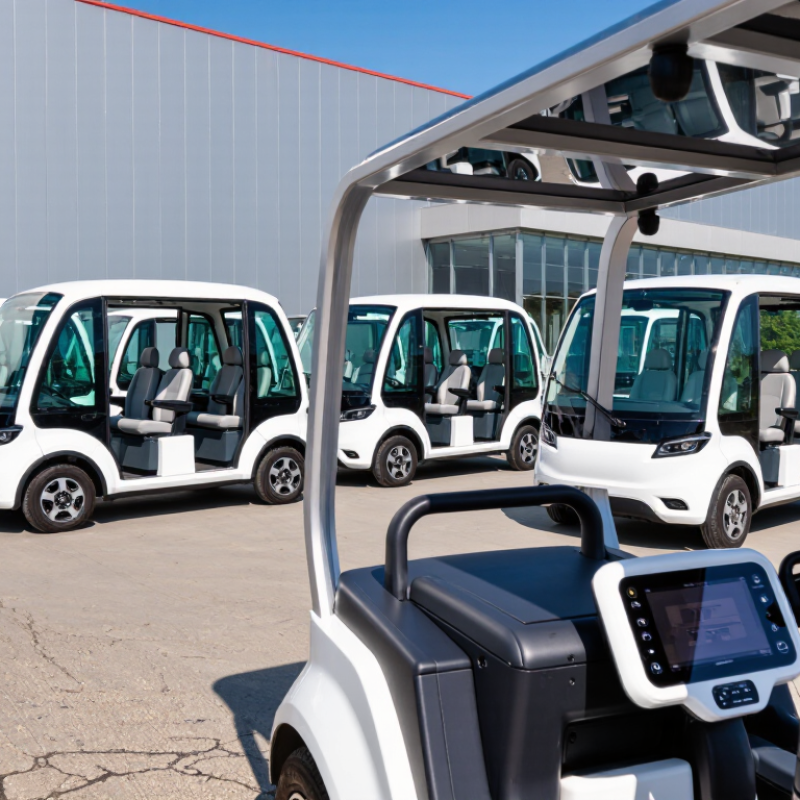
A passenger cart is a compact vehicle designed to move people over short distances. In China, operators use it in tourist parks, campuses, hospitals, factories, airports, and large residential communities. Most models carry four to fourteen passengers. They usually use electric power, quiet motors, and low-speed controls.
The China Association of Automobile Manufacturers reported 9.495 million new-energy vehicles sold in 2023. That figure does not represent passenger carts directly. However, it shows China’s mature electric-vehicle supply chain. The International Energy Agency also reported that China produced more than half of global electric cars in 2023. This background supports strong local sourcing for batteries, controllers, motors, and frames. Still, cart quality can vary widely. A polished vehicle is not always a reliable one.
Tips: Compare battery warranty, climbing ability, braking distance, seat protection, charging time, and spare-parts access. Ask for test records under full passenger load. Check the vehicle’s operating environment, not just its maximum range. Indoor campuses need different designs from uneven resort roads. Certification documents matter, but field service matters more. My practical concern is often overlooked: buyers may calculate purchase price, then forget tires, batteries, training, and downtime. A simple total-cost worksheet can prevent that mistake.