What Is Whey Hydrolyzed Peptide Used For?
Whey Hydrolyzed Peptide is gaining attention in sports nutrition, active aging, and specialized protein formulations. It is produced by breaking intact whey proteins into smaller peptide chains. This process may support faster digestion and amino acid delivery. The benefit sounds simple. The evidence is more nuanced.
Grand View Research valued the global whey protein market at approximately USD 5.94 billion in 2023. It projects strong growth through 2030. ResearchAndMarkets also forecasts continued expansion, driven by sports recovery, convenience foods, and clinical nutrition. These reports generally combine several whey formats. They do not isolate hydrolyzed peptide sales. That distinction matters. Market growth is not proof of superior biological results.
In sports nutrition, Whey Hydrolyzed Peptide may be used after resistance training, during recovery, or when easier digestion is preferred. Some formulas contain fewer large protein fragments. They may suit consumers who experience discomfort with standard concentrates. However, hydrolysis does not automatically improve muscle gain. Total daily protein, meal quality, training, and individual tolerance remain important.
Dr. Jose Antonio, a sports-nutrition researcher, has stated, “Protein is the most important macronutrient for athletes.” His statement supports protein’s central role, not a guarantee for every whey product. Product labels deserve close inspection. Check peptide content, leucine levels, added sugars, allergens, and third-party testing. A bitter taste can also reveal deeper hydrolysis.
The practical question is not whether Whey Hydrolyzed Peptide sounds advanced. It is whether its formulation solves a real nutritional need. Evidence exists. It is not complete.
What Is Whey Hydrolyzed Peptide?
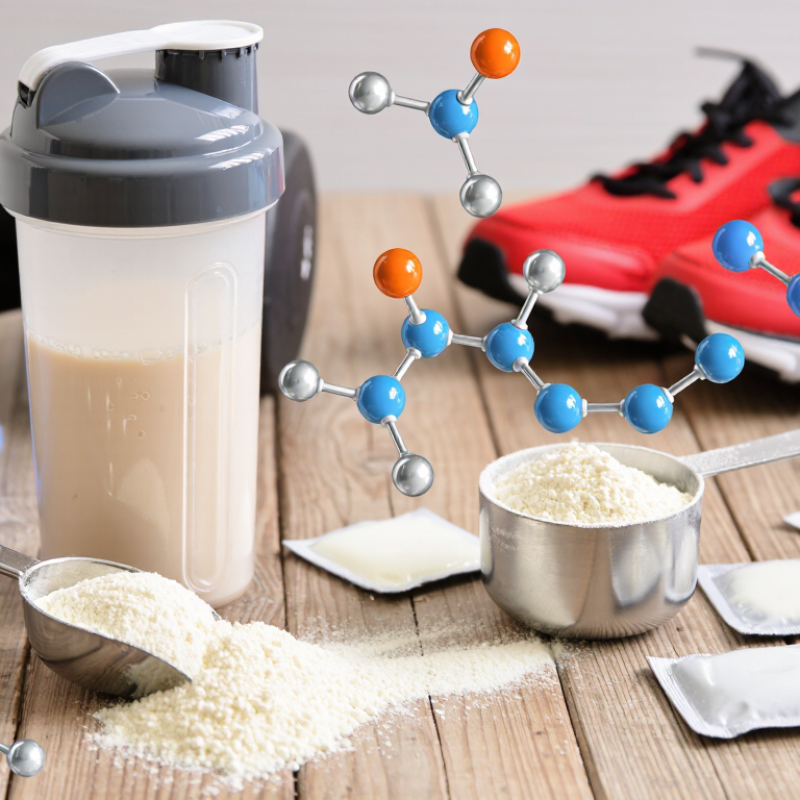
Whey hydrolyzed peptide is whey protein that has been partially broken into smaller peptide chains. This process uses enzymes, similar to digestion in the stomach and intestines. The result is a protein powder that may dissolve quickly and feel lighter for some people. Its taste can be noticeably bitter.
In practical sports nutrition, people use whey hydrolyzed peptides to increase daily protein intake. Athletes may take them after resistance training, when convenient protein supports muscle repair and adaptation. Some people also choose this form because they experience less heaviness than with ordinary whey concentrate. However, hydrolysis does not guarantee faster muscle growth. Research suggests that total daily protein, training quality, sleep, and overall calories matter more.
It is not a medical treatment. It is a specialized protein source.
People with milk-protein allergies should avoid it unless a qualified clinician advises otherwise. Hydrolyzed whey may still contain milk allergens, and it may not be completely lactose-free. Check the ingredient panel carefully.
In my view, the word “hydrolyzed” can sound more impressive than the actual benefit. A person who digests standard whey comfortably may notice little difference. A smaller serving mixed with cold water usually blends smoothly, but results vary with the degree of hydrolysis. Selection should match tolerance, dietary needs, and a realistic nutrition plan.