Why Choose an Outdoor Tent for Global Wholesale Buying?
For global wholesale buyers, an Outdoor Tent is more than a shelter. It is a product shaped by weather, transport, storage, and customer expectations. Buyers should examine fabric weight, seam quality, pole strength, ventilation, and packed dimensions. These details affect performance and shipping costs. Small details matter. A tent that looks spacious in photos may feel cramped after installation. A zipper that works smoothly in a showroom may struggle after dust, rain, or repeated use.
Reliable sourcing requires practical verification. Request samples, inspection reports, material specifications, and clear production tolerances before placing large orders. Check whether the supplier follows recognized quality systems and provides accurate product documentation. Test the tent in realistic conditions, including wind, moisture, uneven ground, and repeated assembly. Packaging also deserves attention. Crushed cartons, missing stakes, or unclear instructions can create expensive returns across borders. Experienced importers often compare several samples, not just prices. The cheapest offer may hide weaker fabric or inconsistent stitching. No product is perfect. A sample can still mislead when factory controls change later. That risk needs discussion. Buyers should confirm inspection procedures, replacement policies, lead times, and communication responsibilities in writing. They should also consider regional safety requirements and responsible material claims. Good decisions come from evidence, not attractive images alone. With careful evaluation, an Outdoor Tent can support dependable wholesale programs, practical outdoor use, and stronger long-term customer trust.
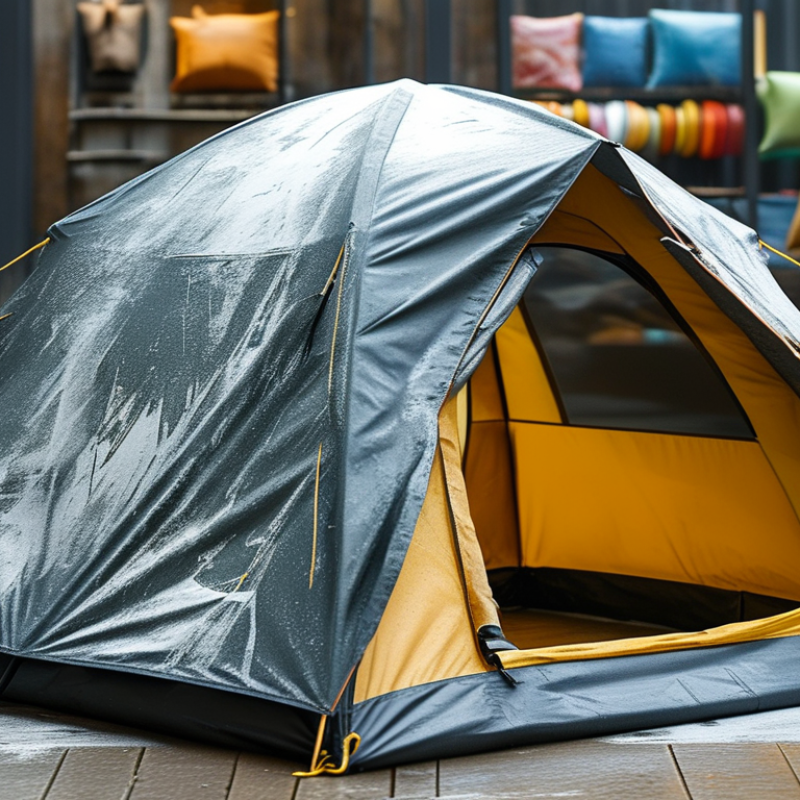
Outdoor Tents Defined: Types, Uses, and Wholesale Buyer Requirements
Why Choose an Outdoor Tent for Global Wholesale Buying?
Outdoor Tents Defined: Types, Uses, and Wholesale Buyer Requirements
Outdoor tents are portable shelters designed for camping, events, emergencies, and commercial outdoor activities. Common types include dome tents, tunnel tents, cabin tents, rooftop tents, and large event structures. Each design serves different users. Dome tents suit backpackers, while cabin tents offer more headroom for families. Event shelters require stronger frames, wider entrances, and stable anchoring systems.
Wholesale buyers should match tent specifications with local climate and customer behavior. Waterproof fabric matters in rainy regions. UV resistance matters in sunny markets. Ventilation reduces condensation, especially during warm nights. Buyers should also inspect seam sealing, pole strength, zipper quality, packed size, and replacement-part availability. Clear size charts and tested load information make product selection more reliable.
Cost is important, but it should not control every decision. A cheaper tent may create higher return rates if stitching fails or instructions confuse users. I would request samples before placing a large order. Test them in realistic conditions. Check setup time with an inexperienced user, not only a skilled worker. Some requirements are easy to overlook, such as carton durability, multilingual manuals, color consistency, and spare poles. Even experienced buyers can miss these details. That is worth reviewing.