Why Choose Matte Lipstick for Your Beauty Brand?
Why Choose Matte Lipstick for Your Beauty Brand?
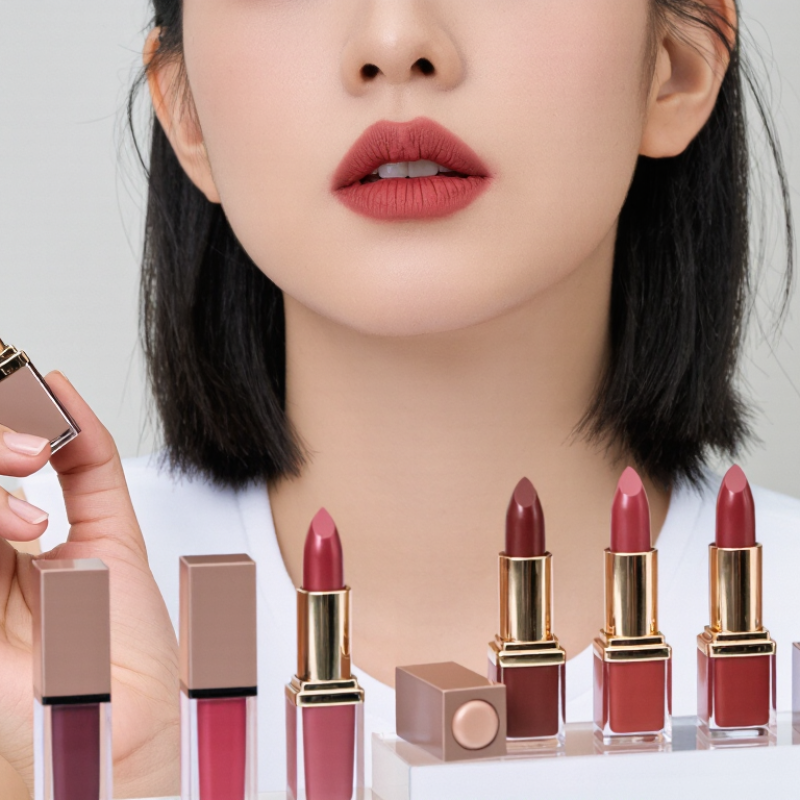
Matte Lipstick remains a strong choice for beauty brands seeking a polished, modern identity. Its smooth, low-shine finish can make a shade appear richer and more defined. Under studio lights, a deep rose tone looks controlled rather than glossy. On a retail shelf, that visual clarity can help a product feel confident and purposeful. Bobbi Brown, a respected makeup artist and beauty entrepreneur, once said, “Lipstick is the easiest way to pull together a look.” Matte Lipstick builds on that idea by adding structure, drama, and a refined finish.
The appeal is not only visual. Many customers value matte formulas for their focused color payoff and reduced shine. However, lasting performance depends on more than a fashionable finish. Brand teams should examine pigment balance, comfort, application, and removal. A formula that survives coffee but leaves lips tight may disappoint repeat buyers. Small details matter, such as a precise bullet, an even glide, and packaging that prevents the product from drying out. Practical wear testing across different lip textures can reveal problems that a laboratory swatch misses.
Matte is not automatically better. That deserves attention. Some users prefer moisture and flexibility over maximum opacity. Others want a blurred effect instead of a completely flat surface. A credible beauty brand should acknowledge these differences. By combining expert formulation, honest claims, and clear shade education, Matte Lipstick can become more than a trend. It can offer a dependable daily product with a distinct point of view, even when the perfect formula remains difficult to achieve.
What Is Matte Lipstick and How Does It Differ from Other Finishes?
Matte lipstick has a low-shine, light-absorbing finish that looks smooth rather than reflective. Its formula usually contains less glossy oil and more waxes, powders, or film-forming ingredients. That balance creates strong color payoff and a clean, modern surface. The texture can feel drier. This is the trade-off. Unlike satin lipstick, matte lipstick shows little sheen under direct light. Cream finishes look softer and more flexible, while gloss adds noticeable reflection and slip.
For a beauty brand, this difference affects product design and customer expectations. A well-made matte formula should spread evenly, set without heavy cracking, and leave a defined edge. Wear tests should examine comfort after meals, transfer on a cup, and appearance around lip lines. Small details matter. A formula may survive several hours yet feel tight within thirty minutes. That weakness should not be hidden in product claims. Ingredient selection, pigment dispersion, and moisture balance all influence the final experience. People with dry lips may prefer a nourishing base or a softer matte finish.
Matte is not automatically more professional, longer-lasting, or better for everyone. Those assumptions need testing. Lighting, climate, application thickness, and lip preparation can change the result. A thin layer often looks more even than one thick coat. Customers also notice whether the shade remains attractive as it fades. Even careful testing can miss real-world discomfort. For reliable development, compare finishes on different skin tones and record comfort regularly.