Why Should You Choose a Waterproof Drone?
A drone over water faces more than scenery: spray, sudden rain, and an awkward landing can threaten its electronics. A Waterproof Drone is designed to reduce those risks through sealed components and a stated water-resistance rating. That does not mean every model can be submerged, flown through storms, or recovered after any crash. Check the maker’s specifications. A rating, operating limits, and maintenance guidance matter more than a rugged-looking shell. For coastal photographers, anglers, and inspection teams, this protection may keep a useful flight from ending in costly damage. Still, water resistance is only one part of a safe setup. Wind, battery condition, signal quality, and local flight rules deserve equal attention.
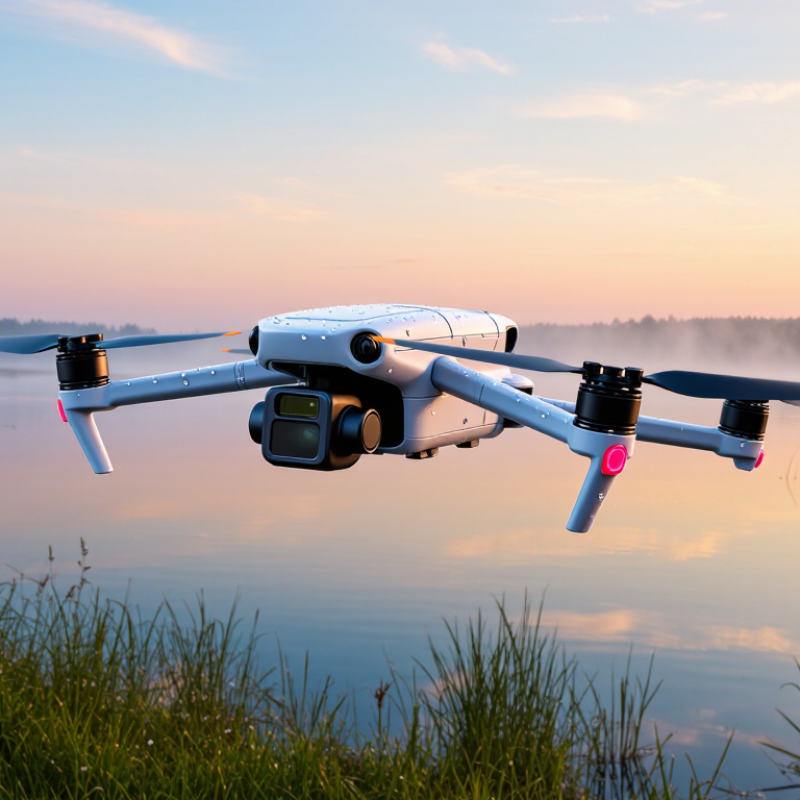
Imagine launching beside a lake at dawn: damp grass brushes the landing gear, and fine spray reaches the camera housing. A properly selected aircraft can offer added confidence in such conditions, while suitable planning keeps avoidable risks low. Look for clear limits on rain, saltwater exposure, rinse procedures, and post-flight drying. Salt leaves residue. Even a water-resistant drone may need careful cleaning after coastal use. One detail is easy to overlook: extra sealing can add weight, cost, or maintenance steps. The best choice depends on where you fly, what you carry, and how often wet conditions are likely. No rating replaces judgment. This guide explores the practical advantages, trade-offs, and checks that can help you decide whether a Waterproof Drone fits your needs.
Define Waterproof Ratings: IEC 60529 IP67 Allows 1 m for 30 Minutes
A waterproof drone can keep working when a brief shower or splash would ground an ordinary aircraft. But “waterproof” needs a precise definition. Under IEC 60529, an IP67 rating means the enclosure is dust-tight and can withstand temporary immersion. The familiar test description is up to 1 metre of water for 30 minutes, under specified laboratory conditions.
That number is useful, but it is not a promise for every flight. A hard landing can crack a seal, while salt water, muddy spray, or repeated exposure may challenge parts differently. Check that the rating applies to the complete drone, not only a camera or battery compartment. After wet use, inspect covers and connectors, then dry the aircraft as its manual directs. Small details matter.
IP67 is a safety margin, not an invitation to fly underwater. I would still avoid deliberate immersion. Water pressure, movement, and wear can differ from a controlled test tank. And honestly, a rating can make people overconfident. The propellers may keep spinning, but wet surfaces and gusts still make recovery harder. A waterproof design helps protect equipment when conditions turn messy; it does not remove the need to judge those conditions carefully.