Go to Main Content Go to Footer

Top Mobility Vans for Global Buyers?

Choosing among mobility vans for global buyers involves more than comparing prices, engine sizes, or polished photographs. A dependable van should support safe wheelchair access, comfortable travel, and practical daily use. In real-world evaluations, details matter. A low ramp angle can reduce strain. A wide side door can simplify boarding. Secure tie-down points can improve confidence during movement. Interior turning space matters, especially for larger power wheelchairs.

This guide examines leading mobility vans through an international buyer’s perspective. It considers wheelchair capacity, lift or ramp design, cabin flexibility, driving controls, maintenance access, and long-term ownership costs. Manufacturer specifications provide a useful starting point, but they rarely show every challenge. A van may look spacious until a caregiver enters beside the chair. A conversion may seem affordable until replacement parts become difficult to source. Small oversights can become expensive problems.

Local support remains essential. Buyers should confirm conversion quality, warranty coverage, service availability, and compliance requirements before purchasing. Standards and import rules differ between countries, so professional advice is wise. Certified mobility specialists, qualified technicians, and experienced dealers can help match the vehicle to the user’s actual needs. This is not a perfect ranking. Personal mobility, climate, road conditions, and family routines change the result. Still, careful comparison can make the decision clearer, safer, and more reliable for buyers seeking a mobility van across different markets. Practical testing is better than assumptions. A short test drive can reveal more than a brochure.

Top Mobility Vans for Global Buyers?

Definition and Purpose of Mobility Vans

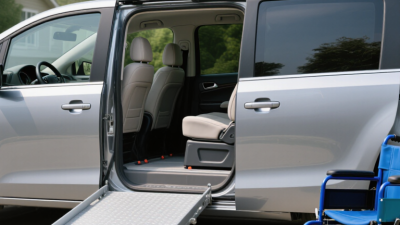
Mobility vans are vehicles adapted to transport people with limited mobility safely and comfortably. They may include wheelchair ramps, powered lifts, lowered floors, transfer seats, and secure restraint systems. Their purpose extends beyond transportation. A well-designed van can support medical visits, employment, family trips, and greater personal independence.

For global buyers, suitability depends on the passenger’s needs and the local environment. A tall wheelchair may require extra interior height. A coastal owner may need stronger corrosion protection. In colder regions, ramp surfaces should remain practical in poor weather. Door width, turning space, loading height, and seating position deserve careful measurement. A van can look spacious but still feel awkward during daily use. That detail is often missed. Buyers should request conversion documentation and confirm maintenance support, replacement parts, safety testing, and local registration requirements. A qualified mobility technician or occupational therapist can provide valuable advice before purchase.

Tips: Measure the wheelchair, user, and storage equipment together. Test the ramp with the actual chair. Check whether a caregiver can reach restraints without twisting. Ask for a clear demonstration of emergency release features. Do not rely only on photographs. Some choices may still prove imperfect after delivery, so keep the design practical and adjustable.

Key Accessibility Features for Different Passenger Needs

Top Mobility Vans for Global Buyers?

Key Accessibility Features for Different Passenger Needs

The World Health Organization reports that about 1.3 billion people, or 16% of the global population, experience significant disability. That figure makes accessibility a core vehicle requirement, not an optional upgrade. A practical mobility van should offer a wide side opening, a gentle ramp or powered lift, and enough interior height for upright wheelchair users. Non-slip flooring matters when rainwater enters. Clear controls help passengers with limited hand strength.

Wheelchair users also need tested restraint systems, suitable head clearance, and secure floor anchorage. ISO 10542 provides widely recognized guidance for wheelchair tie-downs and occupant restraints. Buyers should request evidence of testing, installation quality, and local certification. A strong-looking belt is not enough. The anchor position must suit the chair and passenger.

Passengers who transfer seats may need a stable grab handle, a swiveling transfer seat, and a low step height. Older passengers often benefit from bright, even lighting and high-contrast door handles. People with sensory sensitivities may prefer quieter power lifts, softer warning tones, and adjustable climate control. The United Nations Disability and Development Report 2024 emphasizes that accessibility barriers often come from design, transport systems, and poor implementation together.

A wide ramp can still feel unsafe on a steep curb. Fit is personal. Buyers should measure the wheelchair, turning space, and caregiver position before choosing. A showroom test may reveal problems that specifications hide. Manufacturers and importers should also explain maintenance access, battery backup, and emergency release procedures in plain language. Availability differs across countries, and that remains an inconvenient weakness in many mobility conversions.

Major Mobility Van Types and Conversion Options

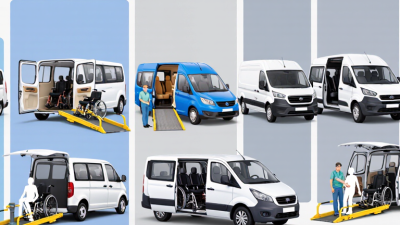
Global buyers usually compare mobility vans by access, passenger capacity, and conversion flexibility. Wheelchair-accessible vans commonly use side-entry or rear-entry layouts. Side entry can simplify parking-lot transfers. Rear entry may work better for narrow driveways. Some vehicles carry one wheelchair, while larger minibuses accommodate several passengers and caregivers.

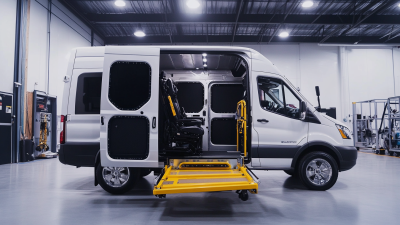
Conversion options vary widely. A lowered floor can create a gentler ramp angle and more interior headroom. Manual or powered ramps suit different budgets and strength levels. Lifts help heavier wheelchairs, but they require regular inspection and useful storage space.

Swivel seats, transfer boards, hand controls, and adjustable restraint systems can support passengers with different mobility needs. Securement points should feel solid, remain easy to reach, and avoid blocking doors.

A careful buyer should measure the wheelchair, user, and caregiver together. Small errors matter. Check ramp width, doorway height, turning space, and ground clearance before ordering. Conversion quality depends on engineering, installation, and maintenance support, not appearance alone. In practical evaluations, a quiet lift may still be awkward if its controls sit too low. That detail is easy to miss. Regional safety certification, road rules, climate, and service availability also influence the right design. Imported vehicles may need additional inspection or equipment changes, so local professional advice remains valuable.

How to Compare Safety, Comfort, Cost, and Reliability

Top Mobility Vans for Global Buyers?

How to Compare Safety, Comfort, Cost, and Reliability

A safe mobility van should fit real daily routines, not just look impressive in photographs. Check wheelchair tie-down points, ramp strength, step height, door clearance, and visibility from every seat. Ask for independent crash-test evidence and maintenance records. Safety equipment can vary by market, so confirm local certification before purchasing.

Comfort becomes clear during a practical trial. Sit inside for at least twenty minutes. Measure headroom, knee space, turning space, and transfer height. Test the ramp on a slight slope, then listen for rattles during a short drive. Good climate control matters in hot or cold regions. A quiet cabin helps passengers communicate without strain.

Price is only one part of cost. Include fuel use, insurance, taxes, adaptive equipment, servicing, and replacement parts. Reliability depends on more than a strong engine. Look for a trained service network and reasonable parts availability near the vehicle’s final location. An independent inspection can reveal uneven tire wear, water leaks, weak battery performance, or poorly fitted modifications. No van wins every category. I once treated a low purchase price as a bargain, but repair delays changed the calculation. A spreadsheet helps, though real user feedback can expose details that numbers miss.

Top Mobility Vans for Global Buyers? - How to Compare Safety, Comfort, Cost, and Reliability

Comparison Factor Compact Accessible Van Mid-Size Accessible Van Full-Size Accessible Van Electric Accessible Van Premium Long-Wheelbase Van
Passenger and Wheelchair Capacity
Typical seating capacity 4–5 occupants 5–7 occupants 6–9 occupants 4–7 occupants 7–9 occupants
Wheelchair positions 1 manual wheelchair 1 wheelchair, with limited luggage space 1–2 wheelchairs, depending on layout 1 wheelchair in most practical layouts 1–2 wheelchairs with better passenger circulation
Typical wheelchair entry Rear or side ramp Rear or side ramp Rear ramp or powered lift Side or rear ramp Powered side lift or wide rear ramp
Approximate ramp or lift capacity 250–300 kg 300–350 kg 350–450 kg 300–350 kg 350–450 kg
Safety and Accessibility
Common active-safety equipment Electronic stability control, anti-lock braking, rear parking sensors Electronic stability control, autonomous emergency braking, lane-departure warning on many newer versions Electronic stability control, emergency braking, blind-spot monitoring and camera systems on higher specifications Electronic stability control, emergency braking and battery protection systems Comprehensive driver-assistance packages, including cameras and blind-spot monitoring on higher specifications
Wheelchair restraint arrangement Four-point tie-down system and occupant seat belt Four-point tie-down system with improved side clearance Four-point tie-down system, often with additional passenger restraint options Four-point tie-down system; floor anchoring must be compatible with the conversion Four-point tie-down system with flexible track positioning
Step-in height and access Usually easiest to park and access in urban areas Moderate entry height; powered step may improve access Higher body and floor height; lift installation may be preferable Low-noise operation; access height depends on the conversion platform Wide doors and generous headroom, but larger exterior dimensions
Safety suitability ★★★★☆
Strong for urban and family use
★★★★★
Good balance of protection and usability
★★★★☆
Very capable, but configuration is critical
★★★★☆
Quiet and modern, subject to conversion quality
★★★★★
Best potential for advanced equipment
Comfort and Everyday Usability
Interior standing height Limited; suitable for seated transfers Moderate; depends on roof configuration Usually generous, especially with a high-roof layout Moderate to generous, depending on battery placement Generous headroom and improved aisle space
Ride comfort Comfortable when lightly loaded; can feel firmer with heavy ramps Generally well balanced for mixed passenger and wheelchair use Stable and comfortable when correctly specified for the payload Very smooth and quiet at low speeds; additional battery weight can improve stability Strong long-distance comfort with better suspension and seating options
Climate-control practicality Front-zone climate control is usually sufficient Rear ventilation is recommended for regular passenger transport Independent rear climate control is highly beneficial Cabin heating and cooling can reduce driving range when stationary or in extreme temperatures Multi-zone climate control is commonly available
Luggage space with one wheelchair Limited; soft luggage is generally more practical Moderate; layout must be checked with the ramp deployed Good, especially with a long wheelbase Moderate; battery packaging may reduce under-floor storage Very good, with flexible seating and cargo layouts
Cost and Operating Efficiency
Indicative purchase-cost position Lowest entry cost Moderate entry cost Higher entry cost and conversion expense Higher initial cost, with potentially lower energy and service expenses Highest purchase and conversion cost
Typical energy consumption Petrol or diesel: approximately 5.5–7.5 L/100 km Petrol or diesel: approximately 6.5–9.0 L/100 km Diesel: approximately 8.0–12.0 L/100 km Approximately 20–30 kWh/100 km, depending on temperature, load and speed Diesel: approximately 8.5–12.5 L/100 km
Typical electric driving range Not applicable to conventional versions Not applicable to conventional versions Not applicable to conventional versions Approximately 180–300 km under published test-cycle conditions; real-world range can be lower Not applicable to conventional versions
Conversion cost impact Usually lower because of simpler ramps and smaller components Moderate; powered ramps and lowered floors increase cost High; lifts, reinforced floors and larger accessibility systems add expense High; conversion must preserve battery safety and electrical-system integrity High; premium seating, powered lifts and custom interiors can significantly increase cost
Best cost profile ★★★★★
Best for lower mileage and urban ownership
★★★★☆
Balanced total cost for mixed use
★★★☆☆
Best when capacity is the priority
★★★★☆
Potentially strong where charging is reliable
★★★☆☆
Comfort-focused rather than budget-focused
Reliability and Ownership
Mechanical complexity Lower mechanical complexity; conversion hardware remains important Moderate mechanical complexity Higher wear potential because of greater weight and commercial-duty use Fewer moving drivetrain parts, but high-voltage systems require qualified service Moderate to high complexity due to equipment, electronics and comfort features
Service availability Usually easiest to service in urban markets Generally good where commercial-vehicle support exists Best near commercial-vehicle and mobility-conversion specialists Dependent on local high-voltage service capability and charging infrastructure Requires access to both vehicle and accessibility-equipment technicians
Important durability checks Ramp hinges, floor anchors, sliding-door rollers and rear suspension load Lowered-floor corrosion protection, ramp seals and suspension components Lift hydraulics, reinforced floor, rear axle load and door mechanisms Battery condition, charging system, thermal management and conversion certification Power lift cycles, electrical accessories, seat rails and body corrosion protection
Expected ownership suitability Short urban trips, private families and occasional wheelchair transport Daily family use, community transport and mixed passenger requirements Frequent transport, multiple passengers and heavier mobility equipment Urban fleets, low-emission zones and predictable daily routes Long-distance travel, professional transport and maximum passenger comfort
Overall reliability guide ★★★★☆
Simple, provided the conversion is maintained
★★★★☆
Strong all-round ownership profile
★★★★☆
Durable when serviced according to payload and usage
★★★★☆
Low drivetrain wear, specialist battery service required
★★★★☆
Very capable, but equipment adds maintenance points
Best Buyer Match
Recommended buyer profile Buyers who value easy parking, lower purchase cost and occasional accessibility use Buyers seeking the best balance of size, comfort, safety and operating cost Buyers who need maximum wheelchair capacity, luggage room or commercial-duty capability Buyers with dependable charging access, predictable routes and low-emission requirements Buyers prioritising long-distance comfort, spaciousness and premium accessibility equipment

Figures are indicative market ranges for comparable accessible-van configurations. Exact payload, range, ramp capacity, safety equipment, dimensions and operating costs vary by vehicle base, wheelbase, conversion design, battery size, passenger load, climate and local regulations. Always verify the completed vehicle and its accessibility certification before purchase.

Regional Regulations, Import Factors, and Global Buying Considerations

Top Mobility Vans for Global Buyers?

Choosing a mobility van for international use requires more than comparing interior space and price. Regional regulations can change the entire purchase decision. A vehicle approved for one market may need new testing, lighting changes, or accessibility modifications elsewhere.

Check whether the van meets local safety, emissions, and wheelchair-access standards. Drive-side configuration matters too. A right-hand-drive vehicle can create practical problems in left-driving regions, especially near ramps or narrow parking spaces. Measure the vehicle carefully. Door height, lift clearance, turning radius, and cargo weight limits should match the user’s daily routine.

Small details matter.

Import planning also needs careful documentation. Buyers should confirm the vehicle identification number, manufacturing certificate, commercial invoice, packing list, and ownership records. Customs duties, value-added tax, port fees, and inspection charges can alter the final cost sharply. Temporary import rules may differ from permanent registration requirements, so written guidance from local customs and transport authorities is important.

In cross-border mobility projects, the cheapest van is not always the most practical choice. A replacement part may take weeks to arrive, and a local technician may not understand a specialized conversion. I have found that buyers sometimes focus too heavily on the lift itself. They later notice poor suspension comfort, limited headroom, or difficult servicing. That is an easy mistake to make. A pre-purchase inspection, independent accessibility assessment, and realistic route test can reveal weaknesses before shipment.

Logo Access 360