Why Choose a Wheelchair Accessible SUV for Global Buyers?
Why Choose a Wheelchair Accessible SUV for Global Buyers?
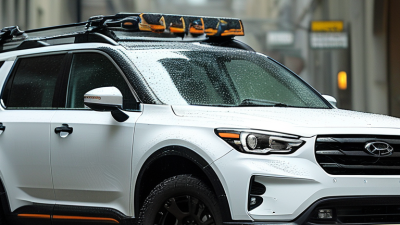
For many families, transportation is not merely about reaching a destination. It is about entering a vehicle safely, protecting personal independence, and preserving everyday dignity. A wheelchair accessible SUV can combine mobility support with the comfort, visibility, and storage space expected from a modern family vehicle. Its raised seating position may improve road awareness, while a powered ramp or lift can reduce physical strain during daily transfers.
Peter Axelson, founder of Beneficial Designs and a respected accessibility engineer, expresses the central principle clearly: “Accessibility should support independence, not create another obstacle.” His work reminds buyers to examine practical details rather than rely on attractive photographs. Ramp angle matters. Door width matters. So does the floor height.
A strong wheelchair accessible SUV should accommodate the user’s chair, caregiver, luggage, and changing travel conditions. Global buyers also need to consider climate, road quality, service availability, and replacement-part access. A vehicle that performs well in one city may feel unsuitable on uneven rural roads elsewhere. That reality deserves honest attention.
The best choice is rarely the most expensive model. It is the vehicle that fits real routines. Can the user enter without pain? Can a family member secure the wheelchair quickly? Is the conversion quiet and stable? Small weaknesses can become daily frustrations.
There is no universal answer.
This guide explores safety, interior design, conversion quality, ownership costs, and regional usability. It also considers an uncomfortable truth: accessibility claims can sound impressive before real-world testing begins. Reliable decisions require measurements, demonstrations, and feedback from actual wheelchair users.
Global Demand: WHO Estimates 1.3 Billion People Live With Disabilities
The World Health Organization estimates that 1.3 billion people live with significant disabilities worldwide. That figure represents about one in six people. Many use wheelchairs, mobility aids, or assistance from family members. Their transportation needs are practical, frequent, and often overlooked.
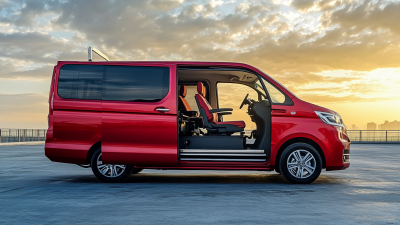
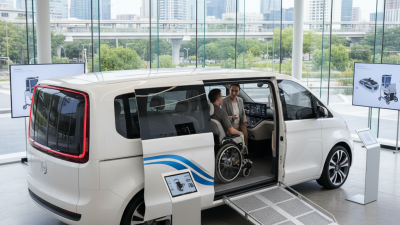
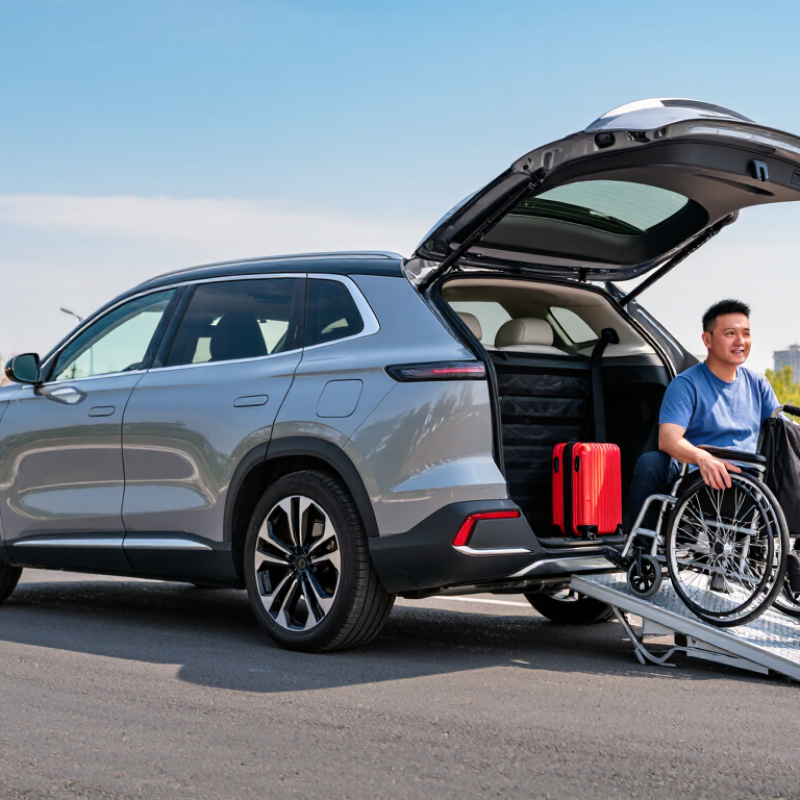
A wheelchair accessible SUV can provide useful space without feeling like specialized equipment. A powered ramp may lower beside a curb, while a wider rear opening can simplify entry. Tie-down points should hold the wheelchair firmly during travel. Clear headroom also matters, especially for taller passengers. In cold regions, sealed flooring can make cleaning easier after wet or muddy journeys. In warmer areas, strong ventilation may improve comfort during long drives.
Experience shows that accessibility is never identical for every user. A folding wheelchair needs different space from a powered model. Some passengers transfer to a seat, while others remain in their chair. Real life differs. Buyers should measure the chair, doorway, ramp angle, and turning space before purchase. They should also check maintenance support and replacement-part access locally. An SUV may offer confidence on uneven roads, but its height can make entry harder without a suitable ramp. No design solves every problem. That limitation deserves honest attention.
Why Choose a Wheelchair Accessible SUV for Global Buyers?
Global Demand: WHO Estimates 1.3 Billion People Live With Disabilities
The global need for accessible mobility is substantial. WHO estimates that approximately 1.3 billion people, or 16% of the world's population, live with a significant disability. WHO and UNICEF also estimate that more than 2.5 billion people need at least one assistive product, while over 1 billion people in low- and middle-income countries do not have access to the assistive products they need. These figures indicate a broad and growing need for safe, flexible, and inclusive transportation solutions such as wheelchair accessible SUVs.
Sources: World Health Organization, “Disability and Health” (2023); WHO and UNICEF, “Global Report on Assistive Technology” (2022). Figures represent overlapping global populations and should not be added together.
SUV Accessibility Needs: ISO 7176 Standards for Wheelchair Fit and Safety
Why Choose a Wheelchair Accessible SUV for Global Buyers?
Wheelchair access is not only about opening a wider door. It concerns fit, stability, restraint, and daily confidence. The World Health Organization estimates that more than 1.3 billion people live with significant disabilities, while many still lack suitable mobility equipment. This makes practical vehicle access a global need, not a niche feature.
ISO 7176 provides useful technical references for wheelchair assessment. ISO 7176-5 addresses wheelchair dimensions, mass, and turning space. ISO 7176-19 evaluates wheelchairs intended for use as seats in motor vehicles. Its testing principles examine forward-facing security during vehicle crashes. However, ISO 7176 does not automatically certify an SUV’s complete conversion. Buyers should check the wheelchair’s width, total height, ramp angle, and tie-down position together.
Measure carefully. Real space matters.
A useful inspection includes the rear-door opening, interior headroom, knee clearance, and ramp landing area. The chair should enter without scraping sidewalls. Its occupant restraint should sit across the pelvis and chest, not the abdomen or neck. The vehicle floor should support secure anchorage points. The United Nations Economic Commission for Europe reports that crash protection depends on compatible restraint systems and correct installation, not appearance alone.
A brochure can sound precise. It cannot replace a physical trial. ISO 7176 data may also vary by wheelchair configuration, accessories, and battery weight. That is an inconvenient detail, but an important one. Global buyers should request test documentation, installation measurements, and local compliance evidence before purchase.
Safety Advantages: Comparing Euro NCAP Ratings for Accessible SUVs
Why Choose a Wheelchair Accessible SUV for Global Buyers?
Euro NCAP ratings offer a useful safety reference when comparing wheelchair accessible SUVs. They assess adult, child, vulnerable road user, and safety assistance protection. A high overall rating can indicate strong crash performance. However, it does not automatically confirm wheelchair occupant safety.
Accessibility conversions may include a lowered floor, rear ramp, lift, or modified seating. These changes can affect body strength, restraint positions, and emergency access. Buyers should ask whether the converted vehicle retained the original crash structure. They should also check if wheelchair tie-downs and occupant restraints meet recognized testing requirements. Small details matter. A loose ramp can become a serious hazard during sudden braking.
Look beyond the star count. Review the individual Euro NCAP scores, test year, and safety assistance results. Features such as autonomous emergency braking, lane support, blind-spot alerts, and speed assistance can reduce daily driving risks. Yet performance may change with extra weight, altered suspension, or a raised center of gravity. A five-star base vehicle is not a guarantee after modification. This point is easy to overlook. An experienced mobility dealer should provide conversion documentation, load limits, restraint instructions, and maintenance records. Buyers should also test entry and exit on uneven ground, in rain, and under low-light conditions. Online specifications rarely show those practical weaknesses.
Why Choose a Wheelchair Accessible SUV for Global Buyers? - Safety Advantages: Comparing Euro NCAP Ratings for Accessible SUVs
The comparison below uses published Euro NCAP results for representative SUV tests. Vehicle names and brands are intentionally omitted. Euro NCAP assesses the base vehicle as tested; an accessibility conversion, lift, ramp, wheelchair restraint, or lowered-floor modification requires separate engineering and compliance verification.
Euro NCAP Safety Results for Representative SUV Models
| Vehicle Reference |
Euro NCAP Test Year |
Overall Rating |
Adult Occupant
Protection |
Child Occupant
Protection |
Vulnerable Road User
Protection |
Safety Assist |
Accessibility-Relevant Safety Considerations |
| SUV A |
2015 |
5 stars |
97% |
87% |
72% |
94% |
Very strong occupant protection and a high Safety Assist result; confirm that the converted vehicle preserves airbag deployment zones and restraint geometry. |
| SUV B |
2018 |
5 stars |
98% |
81% |
72% |
94% |
Excellent adult protection and advanced driver-assistance performance; check whether a lift or ramp affects rear-structure integrity and emergency egress. |
| SUV C |
2019 |
5 stars |
93% |
87% |
71% |
76% |
Balanced protection across all categories; verify occupant positioning, wheelchair tie-down anchorage, and compatibility with side-impact protection systems. |
| SUV D |
2018 |
5 stars |
94% |
87% |
67% |
80% |
Strong overall result; the comparatively lower Vulnerable Road User score highlights the importance of camera visibility, sensor calibration, and unobstructed pedestrian-detection systems. |
| SUV E |
2019 |
5 stars |
91% |
90% |
78% |
78% |
Highest child and Vulnerable Road User results in this sample; confirm safe wheelchair occupant positioning and unobstructed access to factory-installed restraint points. |
Important interpretation: Euro NCAP percentages are category scores, not probabilities of survival or injury reduction. Test protocols and equipment can change between years, so results from different test years should be compared with care. For an accessible SUV, buyers should additionally request conversion certification, crashworthiness documentation, wheelchair tie-down testing, ramp or lift load ratings, seat-belt compatibility, electronic-system recalibration records, and local regulatory approval.
Data source: Euro NCAP, official vehicle safety assessments and category scores. Source:
Euro NCAP Latest Safety Ratings.
Ownership Factors: NHTSA Data on Vehicle Safety and Adaptive Equipment
Why Choose a Wheelchair Accessible SUV for Global Buyers?
NHTSA safety data can help global buyers compare wheelchair accessible SUVs with greater confidence. The agency’s 5-Star Safety Ratings examine crash protection in controlled tests. Its recall database also reveals unresolved defects linked to specific vehicle identification numbers. Check both before arranging an international purchase.
Safety equipment must work with the conversion. A lift or ramp can change vehicle weight, ground clearance, and handling. Ask for documented load ratings and installation records. Inspect the floor around mounting points. Look for reinforced anchorages, accessible seat belts, and clear airbag zones. The wheelchair restraint should hold the chair firmly during sudden braking, not only during routine travel.
NHTSA guidance and Federal Motor Vehicle Safety Standards provide useful reference points, but they do not replace local inspections. Requirements may differ across countries. A vehicle can pass a factory crash test yet need careful evaluation after modification. That distinction is easy to miss.
Measure the doorway with the chair occupied. Check the ramp angle on a wet surface. Test the rear suspension with realistic passenger weight. A quiet lift motor is helpful, but reliable manual backup matters more. Buyers should request service intervals, corrosion protection details, and evidence that electrical changes were professionally completed. I would not rely on sales photographs alone. They rarely show clearance beside the steering wheel or the restraint buckle. In practice, small omissions can become daily frustrations.